
Signs Your Septic Tank Needs Professional Cleaning
A septic system is one of the most important — yet most overlooked — components of a property. Buried discreetly underground, it quietly manages wastewater, protects your home from contamination, and safeguards surrounding soil and groundwater. But like every working system, it needs maintenance. When septic tanks aren’t cleaned on time, minor issues quickly turn into expensive repairs, environmental hazards, and serious health risks. Understanding the warning signs isn’t just about convenience — it’s about protecting your investment and your home’s safety. Too many systems fail simply because homeowners don’t realize problems are developing beneath the surface. Knowing what to look for can prevent costly surprises and protect your property for years.
Across the septic industry, professionals consistently stress the importance of proactive maintenance and scheduled septic cleaning. However, many homeowners wait until there’s a backup, foul odor, or emergency before calling for help. Recognizing early indicators not only saves money — it extends the life of the entire system. In this blog, we’ll break down the clearest signs your
septic tank needs professional cleaning, explain why they occur, and share practical steps to respond before problems escalate. Whether you’re new to septic system ownership or simply want a deeper understanding, this guide equips you with knowledge, confidence, and peace of mind. By staying informed, you take control of maintenance instead of reacting to disasters — and that makes all the difference.
1. Slow Drains and Frequent Clogs
Why drainage slows before failure
One of the earliest warning signs of a septic tank that needs cleaning is slow-moving drains. Sinks, showers, and toilets may begin draining sluggishly, even after you’ve tried plunging or cleaning traps. This typically happens when sludge inside the tank rises high enough to interfere with the normal flow of wastewater, creating pressure your system simply can’t handle anymore.
Inside a healthy septic tank, solids settle at the bottom, oils float to the top, and relatively clear liquid passes into the drain field. Over time, however, solids accumulate faster than the system can break them down. When the sludge layer becomes excessive, wastewater has nowhere to go. The result: drains that gurgle, bubble, or stop flowing altogether, gradually worsening with continued household use.
Real-world scenario
Imagine a household where the kitchen sink begins clogging every week. A plumber snakes the drain — it works temporarily — but the issue returns. The real problem lies in the septic tank, not the pipe. Once the tank is pumped and cleaned, drainage immediately improves, restoring normal flow and reducing future plumbing frustrations.
What to do
When multiple drains slow at the same time, it’s rarely a coincidence. Avoid relying on chemical cleaners (which damage bacteria inside the tank) and schedule a professional inspection instead. Acting early prevents backups and protects the drain field from contamination, helping you avoid costly repairs later.
2. Bad Odors Indoors or Outside
Where the smell comes from
Persistent sewage odors are never “normal.” Septic smells are produced by gases such as methane and hydrogen sulfide — byproducts of organic waste decomposition. When your system is functioning correctly, these gases stay sealed inside the tank and ventilation system, safely moving through designed pathways unnoticed.
But when the tank becomes overly full, gases escape through drains, yard vents, or saturated soil. Many homeowners describe the smell as rotten eggs, sulfur, or raw sewage. These odors usually intensify after heavy water usage or rainy weather conditions.
Why ignoring odors is risky
Unpleasant as they are, odors are more than an inconvenience — they are indicators of system pressure and failure. If left unchecked, gases can corrode components, damage seals, and allow wastewater to leak into surrounding areas. Over time, small leaks become serious structural and environmental hazards.
Best practice approach
Instead of masking odors with fragrances or cleaning products, treat smells as warning alarms. A licensed septic professional can determine whether the tank needs cleaning, a vent needs adjustment, or another mechanical repair is required. Early detection keeps the environment, air quality, and your family safer while minimizing long-term costs.
3. Wet Spots, Standing Water, and Lush Green Patches
What saturated soil reveals
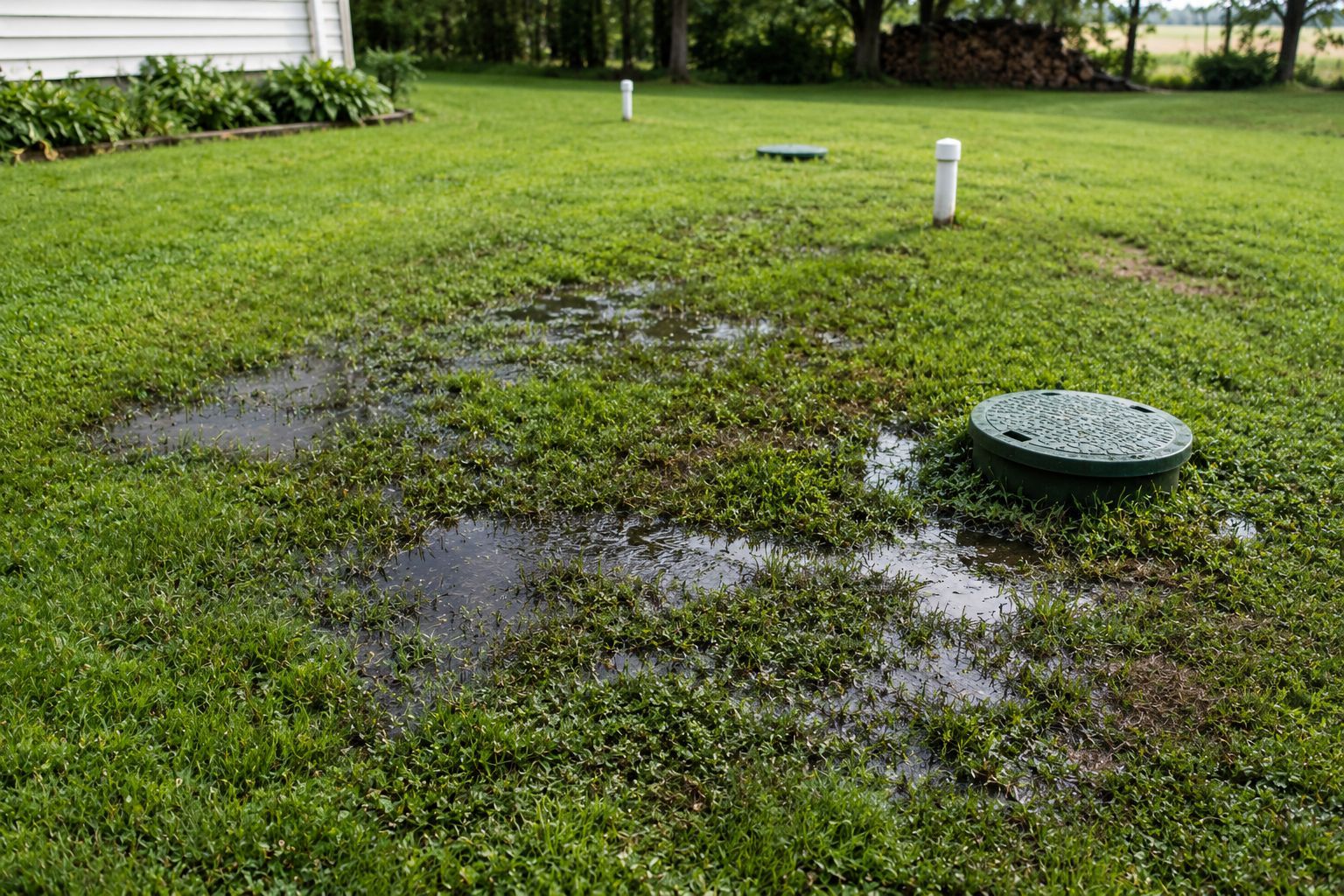
Another unmistakable sign of septic trouble is pooling water near the drain field or septic tank area — especially when it hasn’t rained. When a tank is overdue for cleaning, excess wastewater pushes out into the yard because it has nowhere else to go. That moisture often lingers, producing soft, spongy ground underfoot.
You may also notice unusually vibrant patches of grass. While it may look healthy, that “green stripe” often means untreated wastewater is fertilizing the soil — a sign the drain field is overloaded. What appears like thriving landscaping is actually a warning sign.
Environmental and health concerns
Untreated wastewater carries bacteria, nitrates, and contaminants that can seep into groundwater. This poses risks to nearby wells, pets, wildlife, and humans. Over time, soil saturation can permanently damage the drain field, turning what could have been a simple cleaning into a costly replacement project that disrupts your property significantly.
What homeowners should do next
Avoid walking or driving on the area and keep children and pets away. Contact a septic professional immediately. The sooner the tank is pumped and the system evaluated, the sooner you prevent further environmental impact and structural damage, preserving your system’s long-term performance.
4. Sewage Backup Inside the Home
The most urgent warning sign
Sewage backing up into toilets, tubs, or floor drains is one of the most alarming — and dangerous — septic system symptoms. Backups occur when the tank is completely overwhelmed and wastewater reverses direction, flowing back into the house. At this point, the system is already in crisis mode.
This situation isn’t only unpleasant — it poses serious health risks. Raw sewage contains dangerous bacteria, viruses, and contaminants. Flooring, carpeting, and drywall can become permanently damaged if not treated properly, often requiring professional sanitation services afterward.
Why backups happen
Backups typically indicate one of the following:
- The septic tank hasn’t been cleaned on schedule
- The sludge layer is blocking incoming waste
- The drain field is saturated or compromised
- A blockage exists between the home and the tank
Each of these issues demands trained evaluation and immediate corrective action.
Professional approach vs. DIY mistake
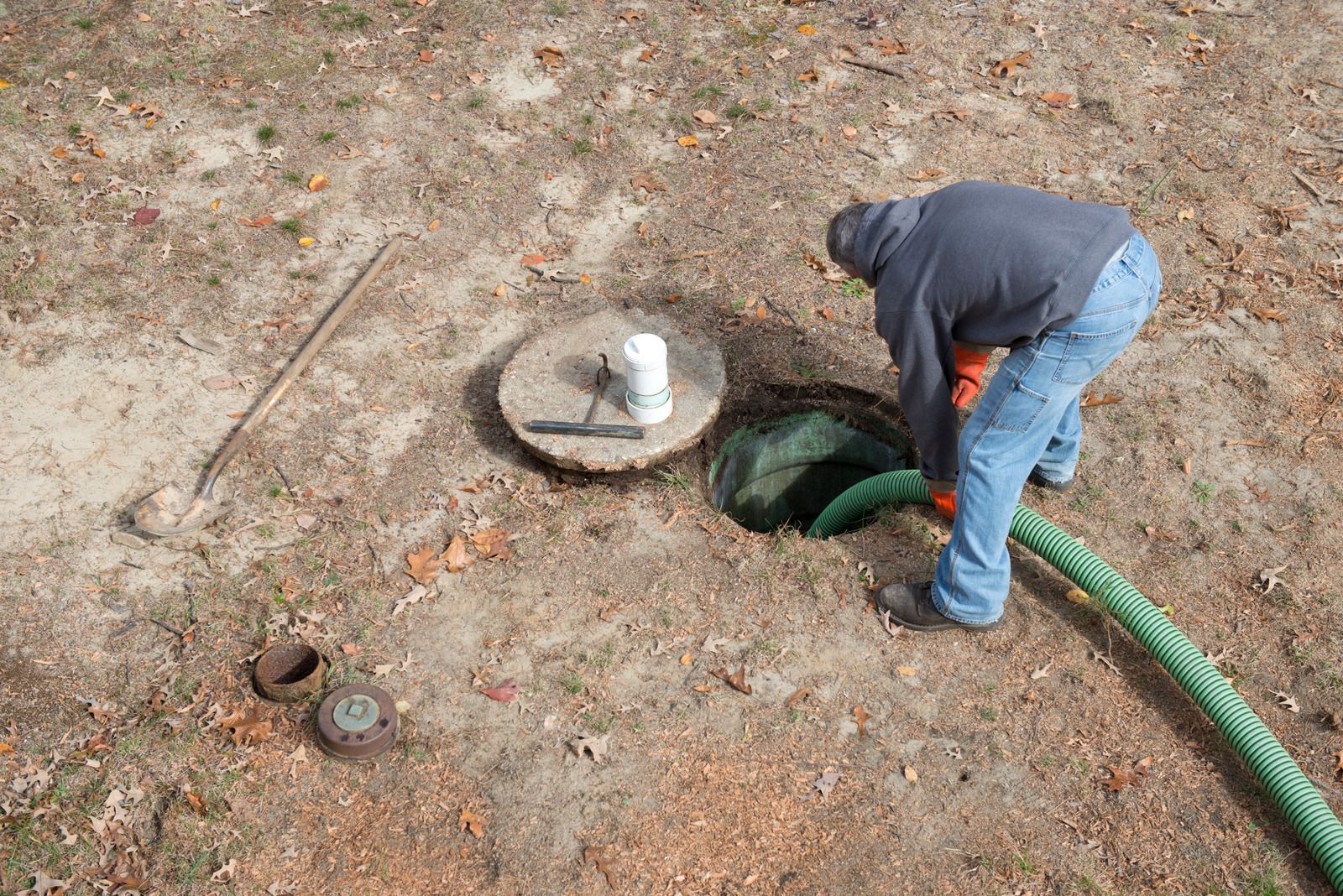
Many homeowners attempt to fix backups with plungers or drain cleaners, but this only treats the symptom — not the system. A professional will inspect tank levels, evaluate the drain field, and pump the system safely. Quick professional attention often prevents thousands of dollars in remediation costs and property damage.
5. Unusual Noises, Gurgling, and System Strain
What the sounds are telling you
If you hear repeated gurgling when flushing or draining water, it may indicate trapped air caused by restricted wastewater flow. As sludge levels rise, air pockets form, causing pipes to burp and sputter. These sounds often become more frequent as the problem progresses.
Additional subtle warning signs
Beyond noise, homeowners may notice:
- Toilets needing multiple flushes
- Washing machine drains slowing
- Frequent need to pump more often than usual
- Increased system odors after heavy usage
These patterns indicate imbalance and stress on the septic system, signaling it is losing efficiency.
Best practices and proactive care
Scheduling regular inspections every 3–5 years — or sooner for large families — prevents surprise failures. Avoid flushing wipes, grease, feminine hygiene products, or harsh chemicals, which accelerate buildup. A proactive maintenance plan keeps your system efficient and extends its lifespan significantly, protecting your investment for years.
Recognizing the early warning signs of a septic system in distress is essential for protecting your home, your health, and your wallet. Slow drains, foul odors, wet patches in the yard, sewage backups, and strange noises are your system’s way of saying it needs attention. Ignoring these clues allows small issues to escalate into major structural and environmental problems. With timely professional cleaning and routine maintenance, your septic system can deliver decades of reliable service.
Knowledge empowers homeowners to take action before emergencies arise. When warning signs appear, call a trusted septic expert and avoid DIY solutions that may worsen the situation. A well-maintained system is not only safer — it is more cost-effective and environmentally responsible.
Trusted Professionals Delivering Reliable Septic Maintenance
For homeowners who want reliable guidance, expert workmanship, and long-term peace of mind, partnering with an experienced septic service provider makes all the difference. Superior Septic and Clean Can
has proudly supported property owners in Round Rock, Texas for more than 40
years, helping families protect their homes and maintain healthier septic systems. Backed by decades of hands-on experience, the team understands how to identify problems early, recommend the right cleaning schedule, and deliver solutions that preserve drain fields and prevent costly failures. Their approach is professional, transparent, and rooted in proven best practices — always prioritizing safety, honesty, and customer education. Whether you’re experiencing slow drains, sewage backup, or simply want a preventative inspection, Superior Septic and Clean Can
brings the knowledge and reliability homeowners deserve. When it comes to septic care, choosing seasoned professionals isn’t just convenient — it’s the smartest investment you can make for your property’s future.