
Why Regular Septic Tank Pumping Can Save Homeowners Thousands in Repairs?
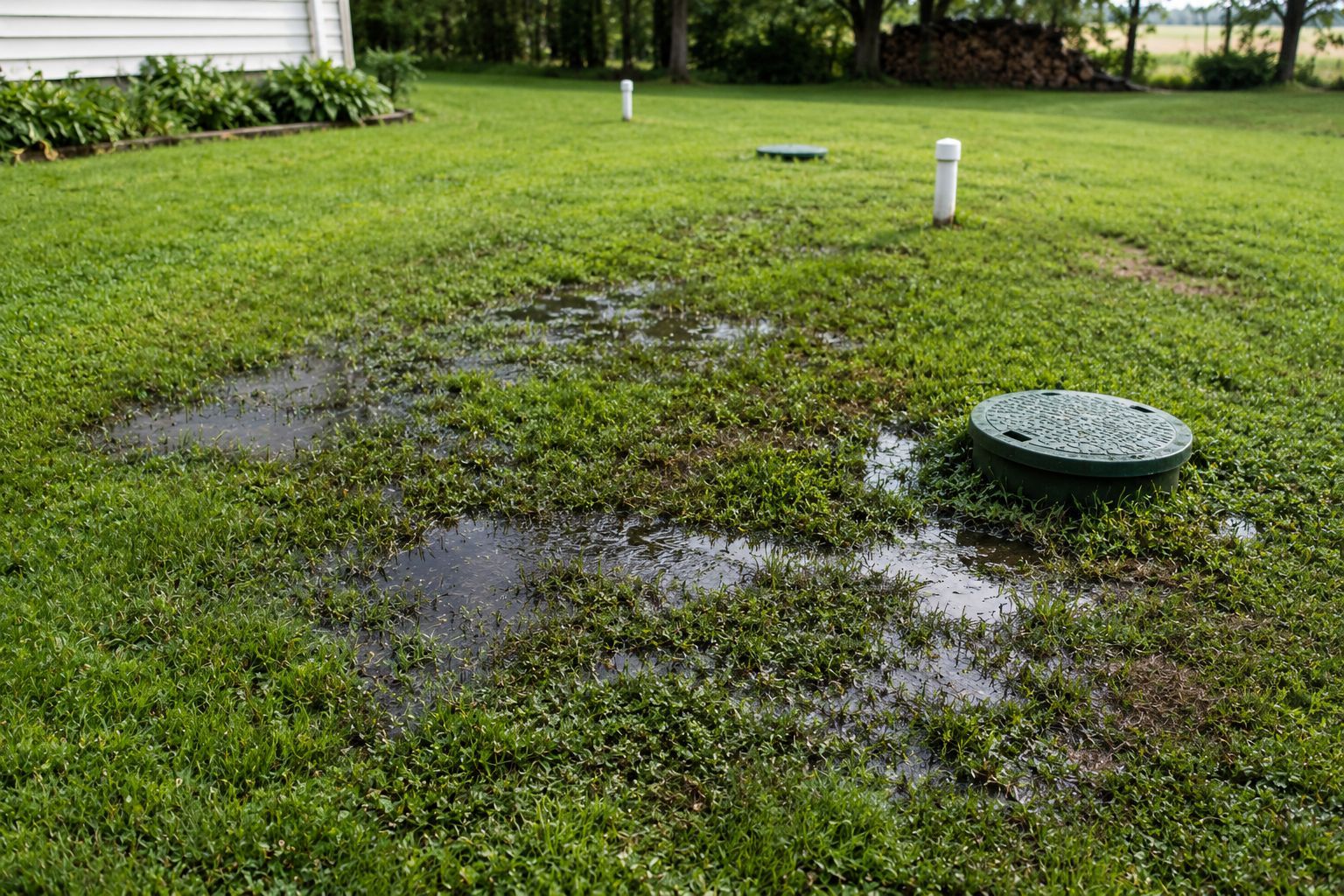
A septic system is one of the most essential components of a home, managing wastewater efficiently and safely. Over time, solids, sludge, and scum accumulate in the tank, gradually reducing its capacity and efficiency. If left unchecked, this buildup can overflow into drain fields, cause backups in plumbing, or even lead to complete system failure. Regular septic tank pumping is not just a maintenance task—it’s a crucial investment in protecting your home, preventing costly repairs, and ensuring your system operates smoothly for years.
Initial Inspection and Preparation
Before pumping begins, professional technicians conduct a thorough inspection of your septic system. They evaluate the tank’s condition, measure sludge and scum levels, and identify any potential problems such as cracks, leaks, or slow drainage. This inspection allows the team to determine the frequency and type of pumping required for your system, helping homeowners plan for long-term maintenance.
Once the inspection is complete, the work area is prepared carefully to ensure safety and avoid contamination. Technicians wear protective gear and position specialized equipment to manage wastewater efficiently without damaging the yard or surrounding property. This preparation sets the stage for a safe and effective service.
Pumping Out the Tank
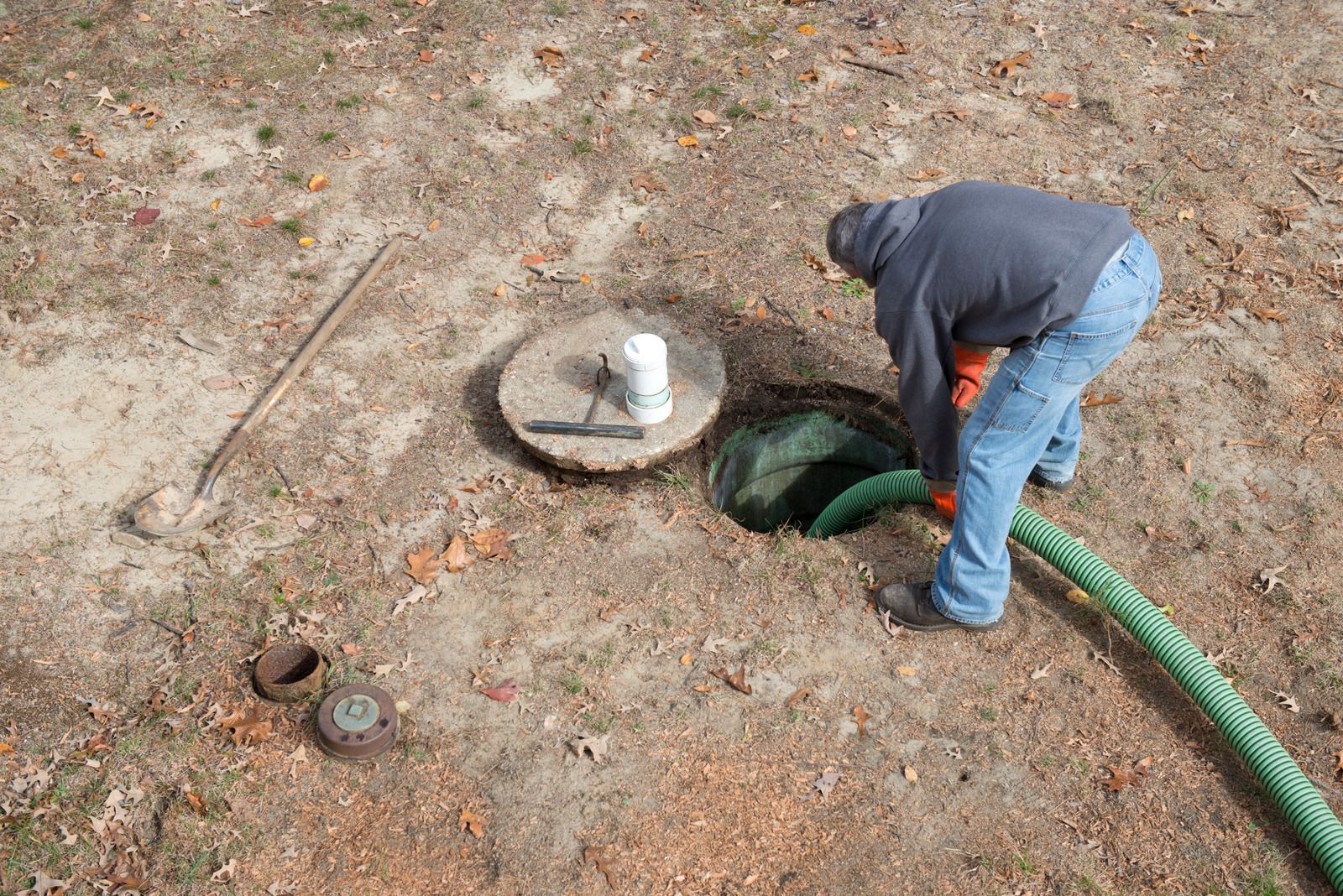
After preparation, the pumping process begins. Using high-powered vacuum trucks, technicians remove all contents of the septic tank, including sludge, scum, and wastewater. Completely removing these solids is critical, as any leftover material can lead to clogged pipes, drain field failure, or costly repairs down the line.
Professional septic service providers handle all waste responsibly, transporting it to approved treatment or disposal facilities in compliance with local environmental regulations. Proper disposal protects both your property and the environment, while ensuring your home remains in compliance with local laws.
Cleaning and Component Inspection
Once the tank is emptied, technicians carefully inspect internal components such as baffles and filters. They remove any debris or buildup that could hinder system function and check for signs of wear or damage. This step ensures your septic system continues operating efficiently and can prevent small issues from turning into major problems.
System Testing and Recommendations
After cleaning, the system is tested to confirm proper function. Water flow is checked, and the drain field is examined for potential blockages or leaks. Technicians provide homeowners with maintenance advice, including recommended pumping schedules, tips for conserving water, and guidance on avoiding materials that can damage the system.
Proper Waste Handling
Waste collected from septic tanks must be disposed of responsibly. Professional services ensure all material is transported to approved processing facilities, where it is treated or recycled safely. This approach reduces environmental impact and helps homeowners stay compliant with local regulations, adding peace of mind.
Conclusion
Superior Septic and Clean Can
offers
expert septic tank pumping services in Round Rock, Texas, and surrounding areas. Regular pumping not only prevents system failures but also saves homeowners thousands in costly repairs by keeping the septic system efficient and reliable. With our experienced team, state-of-the-art equipment, and commitment to thorough service, you can trust us to protect your home’s plumbing and maintain a healthy, worry-free septic system for years to come.