
Septic Backing Up Into the Lowest Drain or Tub? What to Do First
Quick Answer: When septic wastewater comes up through the lowest drain in your house, usually a bathtub, shower, or floor drain, it means the system has nowhere left to send water, so gravity pushes it back out the lowest opening. Stop using water everywhere in the house right away, keep people and pets away from the affected area, and do not run a drain snake or pour chemicals into the line. The cause is usually a full tank, a clogged outlet baffle or effluent filter, or a saturated drain field, and each one needs a different fix. In Central Texas, clay and caliche slow absorption, so a backup can arrive quickly after a heavy rain or a busy week of laundry.
It is a Sunday evening and the house is full. Someone just finished a load of towels, the dishwasher is running, and a teenager is in the shower. Then you hear it from the hall bathroom, a slow gulping sound, and you find the tub filling with gray water that smells like sewage. Nobody ran a bath. Nothing in that tub was turned on. The water is coming up from below.
Of all the septic problems we get called out for, this one is the most alarming and the most misunderstood. Homeowners often assume the tub drain is clogged, and the first instinct is to grab a plunger or a bottle of drain opener. That instinct costs people time and sometimes makes the situation worse. A backup in your lowest fixture is rarely a local clog. It is your whole system telling you it is full, blocked, or flooded, and the lowest drain in the house is simply the first place the water can escape.
Why the Lowest Drain Is Always the First to Show It
Every drain in your home connects to one main line that runs out to the septic tank. Wastewater moves by gravity, so it only flows one direction as long as there is room ahead of it. When the tank, the outlet, or the field is backed up, the water level in the line rises. It will rise until it finds the lowest opening in the house, and that is almost always a ground floor tub, a basement shower, a floor drain in the laundry room, or a first floor toilet.
What This Tells You
If one lowest level fixture backs up while upstairs drains work normally, the system may have limited capacity remaining. Multiple slow or gurgling fixtures suggest worsening blockage.
What It Does Not Tell You
A bathtub backup does not automatically mean a full tank. Blocked pipes, baffles, outlet filters, or a failing drain field can cause similar symptoms.
What to Do First, in Order
When sewage is coming up inside your home, the order of your first few moves matters. Here is the sequence we walk callers through.
Stop All Water Use
Stop flushing toilets, running laundry, using the dishwasher, and operating faucets. Tell everyone to avoid showers and sinks because additional water can worsen wastewater backups.
Check for Water You Did Not Think Of
Check ice makers, water softeners, and washing machines that may continue discharging. Stop active cycles and ask your septic professional about bypassing softeners.
Keep People and Pets Out
Treat wastewater as hazardous because it carries bacteria. Keep children and pets away, avoid barefoot contact, and wear rubber boots and gloves if entry is unavoidable.
Open Windows and Run Bath Fans If the Air Is Safe
Ventilate the bathroom when safe to do so. If sewer odors become overwhelming or anyone feels dizzy or sick, leave immediately and call from outside.
Call a Septic Professional
Explain which fixtures are affected, when symptoms began, and when the tank was last pumped. These details help the crew prepare appropriate equipment before arrival.
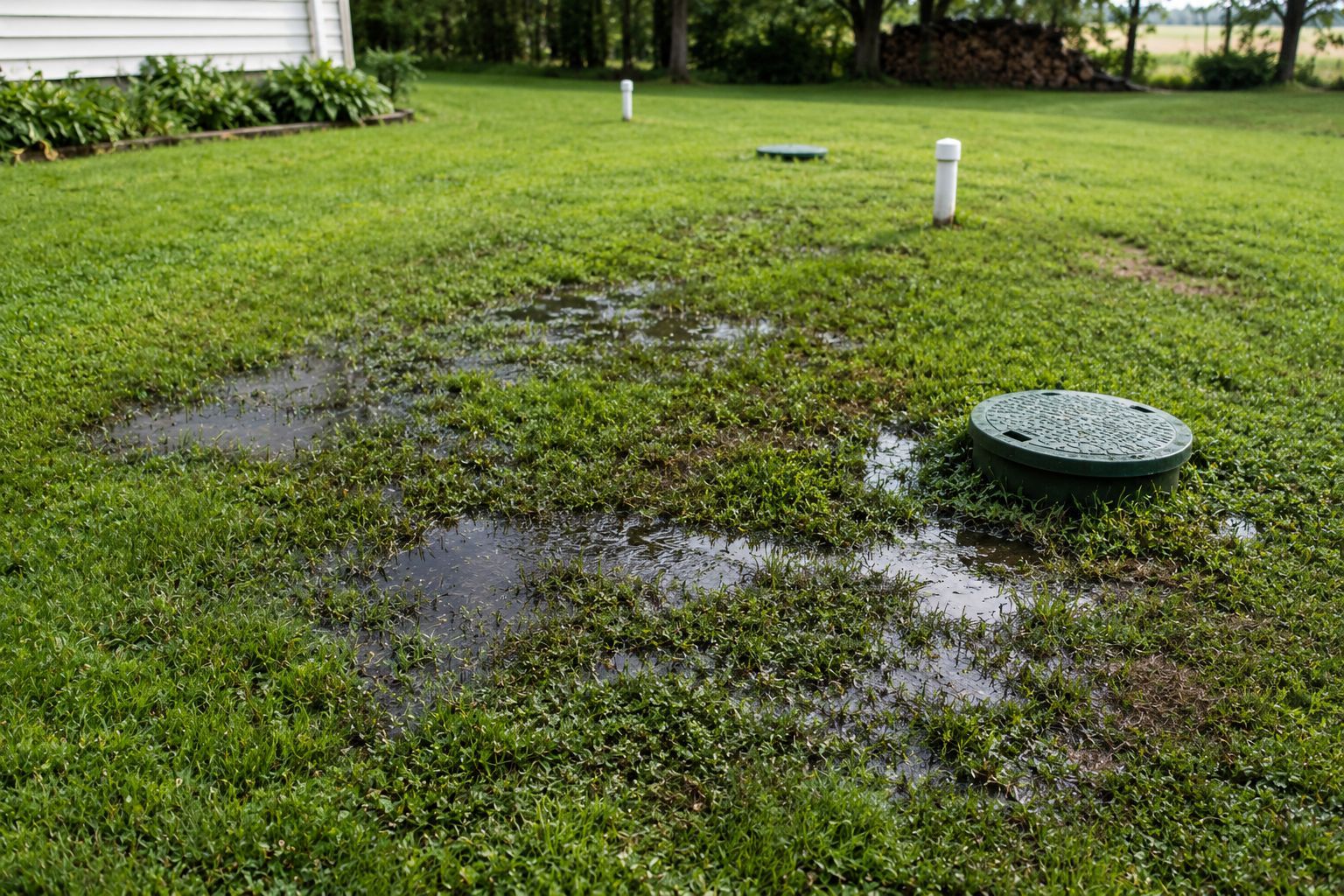
Tip: Before the crew arrives, walk the yard and note anything unusual, such as wet ground, a sewage smell near the tank lid, or unusually green grass over the field. Photos on your phone give the technician a head start and help narrow down where the blockage sits.
What Not to Do While Waiting
The urge to fix it yourself is strong, and most of the common home remedies are the wrong move on a septic system.
Do Not Use Chemical Drain Openers
Chemical drain openers can damage beneficial septic bacteria, fail to clear downstream blockages, and create hazards for technicians handling contaminated standing water.
Do Not Snake the Tub Drain
Snaking may push blockages deeper or damage inlet baffles. It cannot fix full tanks or saturated drain fields causing backups.
Do Not Pump Water Out of the Tank Yourself or Open the Lid
Septic tanks contain dangerous gases, and uncovered openings pose serious fall risks. Leave all tank access and pumping to trained professionals.
Do Not Keep Flushing to See If It Clears
Repeated flushing adds wastewater to an already overloaded system, increasing backup risks and potentially worsening indoor contamination.
The Most Common Causes Behind a Lowest Drain Backup
Once the crew is on site, we look at four things, in roughly this order.
A Tank That Is Full or Overdue
Solids and scum accumulate over time, reducing tank capacity and causing backups. Most households need pumping every three to five years.
A Clogged Outlet Baffle or Effluent Filter
Wipes, grease, and fibers can block outlet filters or baffles, preventing wastewater from leaving the tank and causing indoor backups.
A Blocked Line Between the House and the Tank
Tree roots, sagging pipes, or grease buildup can restrict flow before wastewater reaches the tank, requiring inspection and targeted pipe cleaning.
A Drain Field That Cannot Absorb Water
Saturated soil or biomat buildup prevents proper absorption, forcing wastewater back toward the house. Pumping offers temporary relief if failure persists.
WARNING: Sewage that has reached the floor of your home can carry harmful bacteria. Do not let children, pets, or anyone with a weakened immune system touch it, and do not clean it up with bare hands. Wear gloves and boots, and keep food preparation areas clear until the area has been cleaned and disinfected.
What the Crew Will Do When They Arrive
Knowing what happens next helps you stay calm while you wait. Here is how we typically work through a lowest drain backup.
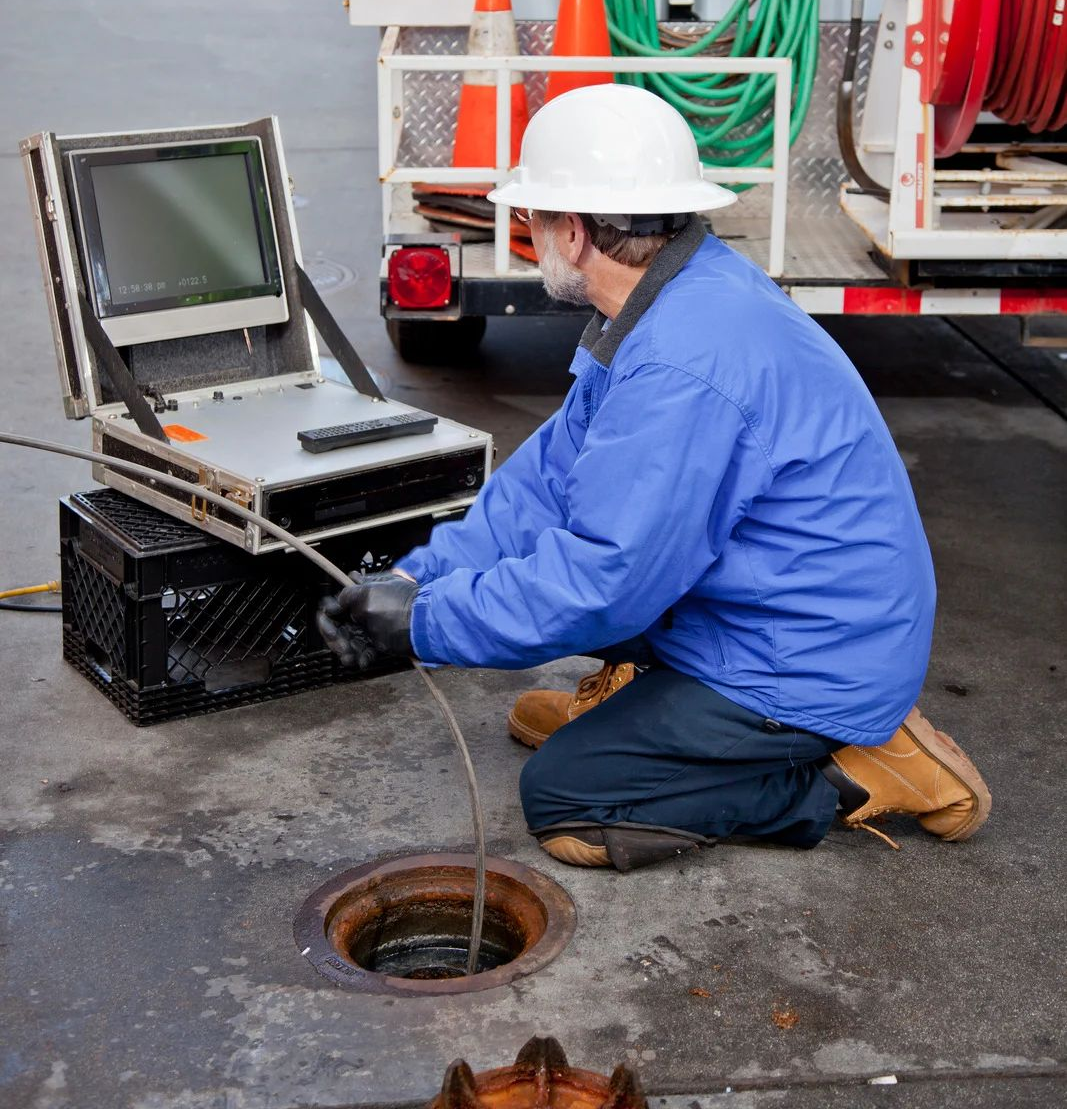
Locate and Open the Tank
We locate the tank, open its lid, and check liquid levels. High levels suggest a full tank or blocked outlet, while normal levels may indicate a blocked inlet line.
Pump the Tank When It Is Needed
When the tank is full, pumping restores capacity. We inspect the baffles and effluent filter while the tank is empty for easier assessment.
Clean the Line and Filter
We clean or replace clogged outlet filters and clear blocked pipes using suitable equipment, then verify that wastewater flows properly.
Check the Field
After pumping, we monitor how quickly the tank refills. Rapid refilling without household water use may indicate field problems requiring further inspection.
How to Keep It From Happening Again
Once the immediate problem is handled, a few habits protect the system.
Keep a Pumping Schedule
Record each service date and schedule the next pumping. Regular maintenance reduces the risk of tank overload and indoor wastewater backups.
Watch What Goes Down the Drain
Avoid flushing wipes, paper towels, feminine products, or pouring cooking grease down drains. Only toilet paper and human waste belong in toilets.
Spread Out Water Use
Stagger laundry throughout the week instead of washing everything in one day. Reduce heavy water use during periods of prolonged rainfall.
Protect the Field
Keep vehicles and heavy equipment away from drain fields. Redirect gutters and sprinkler runoff, and avoid planting trees near underground lines.
Pay Attention to the Early Signs
Slow drains, gurgling pipes, and sewage odors outdoors can signal developing problems. Early inspections help prevent serious backups and costly cleanup.
Frequently Asked Questions
Why is my septic backing up into the tub and not the toilet?
The tub is usually the lowest fixture, so water escapes there first when the system is blocked. Toilets sit higher and may still drain for a while. Treat a tub backup as an urgent early warning.
Is it safe to stay in the house when sewage is backing up?
Usually, if you stop all water use and keep the affected area closed off. Leave if the smell is strong, standing sewage is extensive, or anyone has breathing trouble or a weakened immune system.
Will pumping the tank fix the backup?
Pumping fixes a full tank. It won’t fix a clogged outlet filter, blocked line, or failed drain field, though it may give temporary relief. The crew checks baffles, filter, and line while the tank is empty.
Can I use bleach or a drain cleaner to clear it?
We recommend against it. Harsh chemicals disrupt the bacteria your tank depends on and do nothing for problems in the tank, outlet, or field. They also make standing water more hazardous for workers.
How long can I wait before calling?
Do not wait. Sewage indoors is a health risk, and a small backup can grow quickly if anyone keeps using water. Stop water use immediately and call right away, even at night.
Could heavy rain be the reason my septic backed up?
Describe the item or answer the question so that site visitors who are interested get more information. You can emphasize this text with bullets, italics or bold, and add links.
Staying Calm When Sewage Rises in Your Tub
Sewage coming up through a tub or floor drain is stressful, but the first few minutes set the tone for the rest of the day. Stopping all water use, keeping people and pets clear, skipping drain chemicals and snakes, and noting anything unusual in the yard give the crew a real head start. The lowest drain is only the messenger, and the actual cause sits in the tank, the outlet filter, the line, or the field.
Once the immediate problem is handled, a steady pumping schedule and careful drain habits protect the system through heavy rain and busy weeks. Superior Septic and Clean Can
has spent 40
years serving homeowners in Round Rock, TX, and that time has shown that early signs like slow drains and yard odors are far easier to fix than a flooded tub on a Sunday night. A system that is watched and maintained rarely surprises anyone.