
Toilets Draining Slow or Gurgling Across the Whole House? Septic Warning Signs to Catch Early
Quick Answer: When drains run slow and toilets gurgle all over the house at once, the problem is usually the septic system rather than a single clogged fixture. A full tank, a blocked main line, or a struggling drain field forces wastewater to back up and traps air in the pipes, which is what you hear bubbling. The pattern of many fixtures acting up together is the clue. Ease off water use, skip chemical drain cleaners, and have the tank level and system checked before it turns into a backup inside the home.
You flush a toilet in the back bathroom and hear the tub in the hall bathroom gurgle. The kitchen sink drains slower than it used to, the washing machine seems to struggle to empty, and the lowest toilet in the house burps up a bubble every time someone runs water somewhere else. One slow drain is annoying but easy to write off. When the whole house starts acting up at the same time, something bigger is going on, and on a septic system that something is usually underground.
Slow drains and gurgling that show up across multiple fixtures at once are one of the clearest early warnings a septic system gives you. The good news is that this stage is a warning, not a disaster. Caught now, it usually means a tank that needs attention or a line that needs clearing. Ignored, it tends to end with sewage coming back up through the lowest drain in the house. Here is what the pattern is telling you and what to do about it.
When One Slow Drain Becomes a Whole-House Problem
A single slow sink is almost always a local clog. A wad of hair, a greasy trap, a partial blockage in that one branch line, and the rest of the house drains fine. That is a plumbing problem, and it stays in its lane.
The pattern that matters
When several fixtures slow down together, or a toilet gurgles when you run a completely different fixture, the common link is the part of the system they all share: the main line running out to the septic tank, the tank itself, or the drain field beyond it. Water and waste from every drain in the house end up in the same tank. When that shared path is restricted, every fixture upstream feels it. So the number of fixtures involved is the fastest way to tell a simple clog from a septic issue.
Where the trouble shows up first
Wastewater follows gravity, so the lowest openings in the house take the hit first. A basement bathroom, a first-floor tub, or a floor drain in a utility room will gurgle, drain slowly, or back up before the fixtures upstairs do. If your lowest toilet or shower is the first to misbehave, that is a strong sign the restriction is downstream in the septic system rather than up in the branch lines.
Why a Septic System Gurgles and Drains Slowly
The bubbling sound has a simple mechanical explanation, and understanding it helps you read what the system is telling you.
Air with nowhere to go
In a healthy system, wastewater flows out and air moves freely through the vents to balance pressure. When flow slows, pressure builds and trapped air escapes up through a nearby trap or toilet bowl. That backward-forced air is the gurgle you hear.
A tank that is out of room
Over time, solids settle as sludge and grease floats as scum. The outlet baffle keeps those layers from the drain field, but as they build, water has less room to separate. A tank pushed well past pumping slows the whole system down.
The drain field backing things up
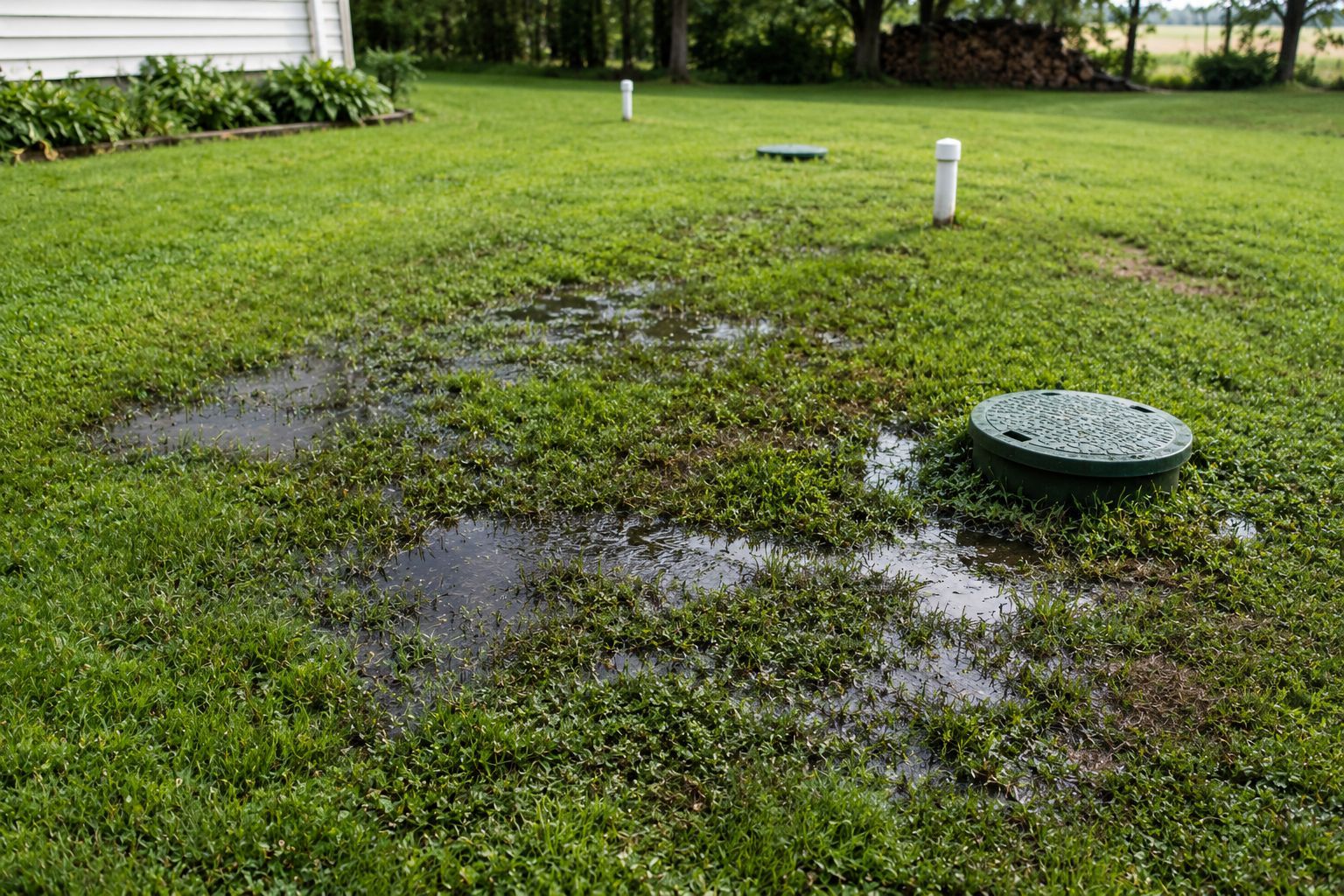
Beyond the tank, liquid effluent flows to the drain field and soaks into the soil. If that field is saturated, compacted, or failing, water stalls in the tank and lines behind it. This serious problem often pairs gurgling with soggy ground outside.
Reading the Timing and Location of the Symptoms
Because so many faults produce the same slow-and-gurgling symptom, when and where it happens narrows down the cause quickly. Paying attention to the pattern before you call for service saves everyone time.
When it gurgles after a flush
If a toilet only gurgles right after you flush it and nothing else is affected, the restriction may be close to that fixture or in the nearby branch line. That leans more toward a local issue than a full-system problem, though it is still worth watching.
When it gurgles as another fixture drains
If the toilet burps when the washing machine empties or the shower runs, that points to the shared main line or the tank. A big slug of water from the washer hits the restriction and forces air back through the path of least resistance, which is often a toilet several rooms away.
When several drains are slow together
Multiple slow fixtures at the same time, especially the lowest ones, is the signature of a septic-side problem rather than one stubborn drain. A tub, a toilet, and a laundry drain all acting strange together almost always means the issue is in the tank, the main line, or the field, not in any one fixture.
Tip: Before you call, run a quick mental map of what is happening. Note which fixtures are slow, which one gurgles, whether the lowest drains are worst, and whether it gets worse right after laundry or several showers. Sharing that pattern with the crew helps them target the tank, the main line, or the field instead of guessing, and it can shorten the visit.
What to Do When the Whole House Slows Down
You do not have to diagnose the exact cause yourself, but a few immediate steps keep a warning from becoming a backup while you arrange service.
Ease off the water
Give the system room to catch up. Hold off on laundry, the dishwasher, and long or back-to-back showers until you know what is happening. Sending more water into a struggling system is what pushes a slow drain over into a full backup.
Skip the chemical drain cleaners
Reaching for drain opener is tempting, but on a septic system it does more harm than good. Those chemicals rarely reach a blockage in the main line or tank, and they kill the bacteria the tank relies on to break down waste.
Watch the yard, not just the drains
Step outside and look at the ground over the tank and drain field. Soggy spots, standing water, unusually lush green patches, or a sewage smell tell you the problem has reached the field. Indoor gurgling plus outdoor wetness demands same-day action.
What a Professional Checks and Why It Is Not Guesswork
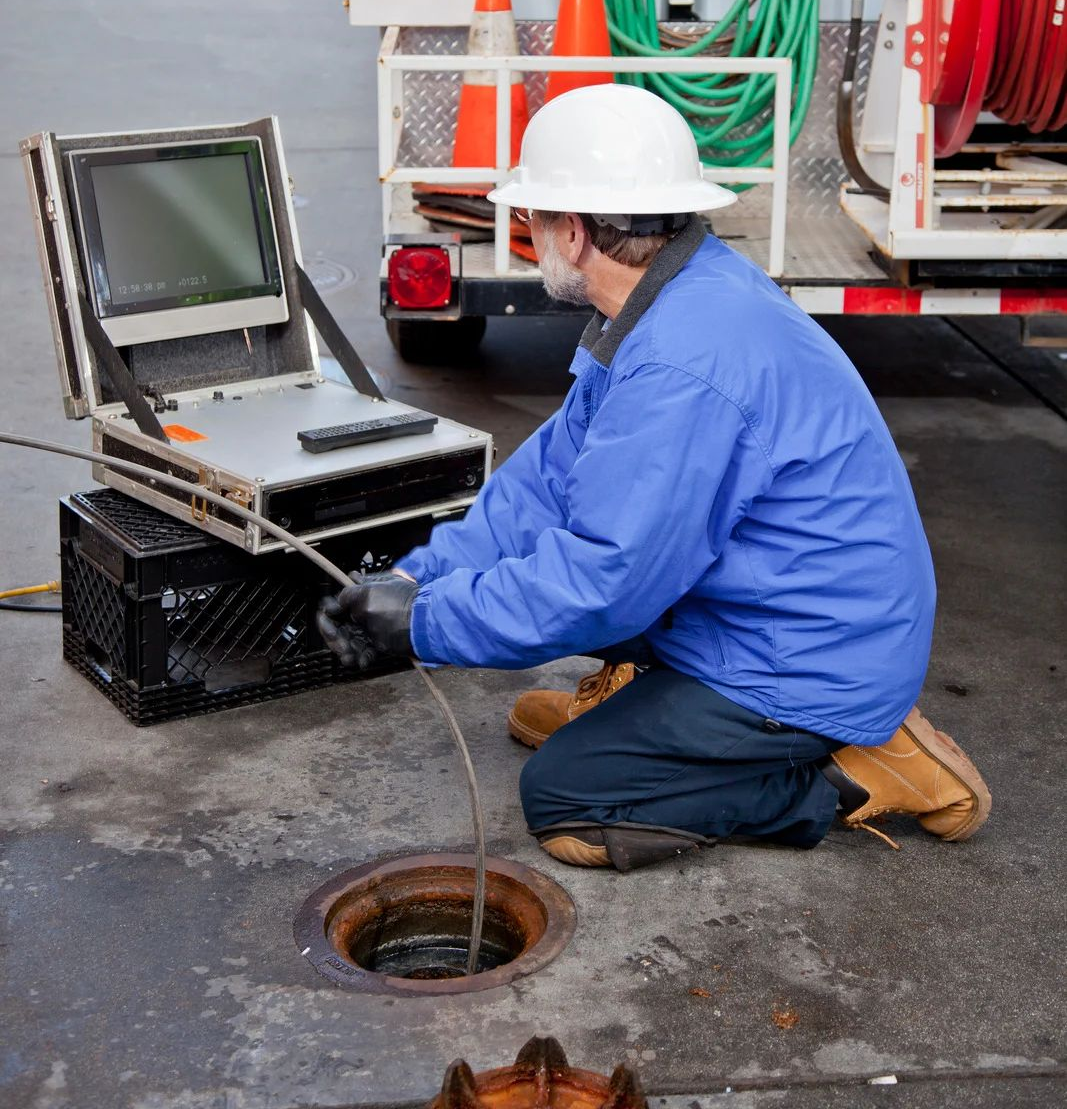
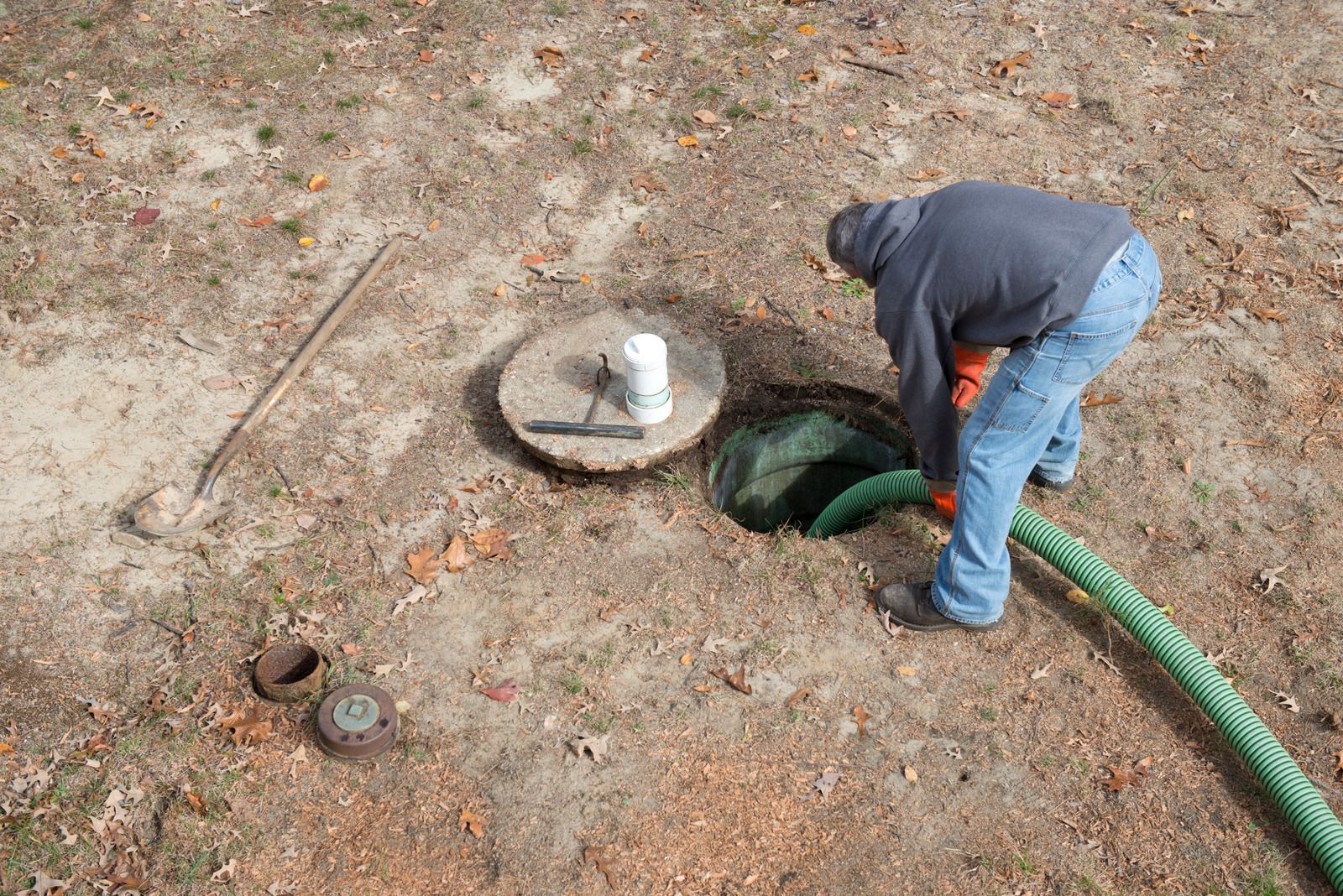
Because the same symptom has several possible causes, sorting it out takes measurement rather than assumption. A septic pro starts at the tank, checking the sludge and scum levels to see whether it is simply full and overdue. As a rule of thumb, a tank is ready for pumping when the scum layer reaches within six inches of the bottom of the outlet, the sludge climbs within twelve inches of it, or solids fill more than a quarter of the tank's depth. Those measurements turn a vague hunch into a clear answer.
From there, the inspection follows the flow. The crew checks the inlet and outlet baffles for blockage, looks at the main line between the house and tank for a clog or root intrusion, and evaluates whether the drain field is accepting water or backing it up. What you end up with is the actual reason the whole house slowed down, whether it is a tank that needs pumping, a line that needs clearing, or a field problem that needs a closer look, rather than a guess that might not hold.
WARNING: Do not keep flushing and running water to try to force a slow, gurgling system to clear itself. If the tank is full or the main line is blocked, added water has nowhere to go and will find the lowest opening in the house, which is often a first-floor tub, shower, or floor drain. A sewage backup indoors is a genuine health hazard and a far bigger cleanup than the slow drain you started with. When multiple fixtures are affected, the safer move is to stop adding water and get the system checked.
Frequently Asked Questions
Why are all my drains slow and gurgling at the same time?
When several fixtures slow and gurgle together, they share one restricted path: the main line, the tank, or the drain field. A single clog affects one drain, but multiple fixtures point to a septic-side problem.
Does a gurgling toilet always mean the septic tank is full?
Not always, but it is one of the most common reasons. Gurgling is trapped air forced back because wastewater is not flowing freely. A blocked baffle, clogged main line, or saturated drain field also causes it.
Is it safe to keep using water while the drains are slow?
It is better not to. Adding water to a struggling system can push a slow drain into a full backup indoors. Ease off laundry, dishes, and showers until the cause is found, buying the system room.
Should I pour drain cleaner down a slow septic drain?
No. Chemical cleaners rarely reach a blockage in the main line or tank, and they kill the bacteria your tank depends on. They create a hazard for whoever inspects later without fixing the underlying problem. Skip them.
How often should a septic tank be pumped to avoid this?
Most household tanks need pumping every three to five years, though heavy use shortens that. An inspection at least every three years catches a rising sludge level early. Recording the last pump-out date helps you stay ahead.
Why did this start right after a heavy rain?
In Central Texas, a downpour saturates the ground over the drain field so it cannot accept more water. Effluent stalls in the tank and lines behind it. The rain exposed a field already near its limit.
Keeping Wastewater Moving the Way It Should
Slow drains and gurgling toilets across the whole house are the septic system's way of telling you the shared path underground is restricted. The pattern is the message: one slow fixture is a local clog, but several acting up together, especially the lowest ones, points to the tank, the main line, or the drain field. That stage is a warning you can still get ahead of. Ease off the water, keep the chemicals out of the drains, watch the yard for wet spots, and get the tank level and system checked before trapped air and stalled wastewater turn into a backup you have to clean up. Reading the signs early is what keeps a busy household running and the wastewater going where it belongs.
Schedule a
septic inspection and pumping
before slow drains become a backup — When the whole house gurgles and drains slow together, the fix starts with knowing whether the tank is full, the main line is blocked, or the drain field is struggling. Superior Septic and Clean Can
checks the sludge and scum levels, inspects the baffles and main line, and evaluates the drain field, then pumps or clears whatever is stalling the flow. Serving homes and businesses in Round Rock, Texas, for 40
years, the crew turns a house full of warning signs back into a system that moves wastewater the way it should. Reach out to book a visit and get ahead of the problem.