
The Homeowner’s Guide to Residential Septic Pumping
You flush the toilet and something feels off. Maybe there is a faint odor drifting through the bathroom that was not there last week. Maybe the drain in the utility sink is moving slower than usual, or you noticed a soft, wet patch in the yard near where you know your tank sits. These are not random nuisances. These are your septic system telling you it has been too long since its last pumping.
Residential septic pumping is the single most important maintenance task you can perform on your system, and skipping it is the leading reason homeowners face repair bills that run well into the thousands. After inspecting and servicing hundreds of tanks across Central Texas over the past four decades, we have seen exactly what happens when pumping gets delayed by one year, by three years, by five. The damage follows a predictable pattern, and it is almost always avoidable.
How a Septic System Actually Works
Your septic tank is a buried, watertight container, most commonly between 1,000 and 1,500 gallons for a typical residential home in Texas. Every drain in your house, the toilets, showers, sinks, washing machine, all flow into this tank. Once inside, waste separates into three layers. Solids sink to the bottom and form what professionals call sludge. Grease and lighter materials float to the top as scum. The liquid layer in the middle, called effluent, exits through the outlet baffle and flows into your drain field, where the soil filters and treats it.
The sludge layer never leaves on its own. It builds steadily with every use. When sludge and scum together occupy more than about one third of the tank's total volume, the system starts pushing partially treated waste toward your drain field. That is when clogs form, drain fields fail, and what was a routine pumping appointment turns into a drain field replacement costing anywhere from several thousand to well over ten thousand dollars.
Warning Signs Your Tank Needs Pumping Now
Most homeowners wait for a crisis before calling. By the time a serious symptom appears, the tank has typically been overdue for at least 12 to 18 months. Here is what to watch for before you reach that point.
Slow drains throughout the house are one of the earliest indicators. A single slow drain usually means a clog in that line. Slow drains in multiple fixtures at the same time almost always point to a full or near-full tank. If flushing your toilet causes gurgling in the bathroom sink, or if running the washing machine causes the floor drain to back up, the problem is downstream, not in the individual drain.
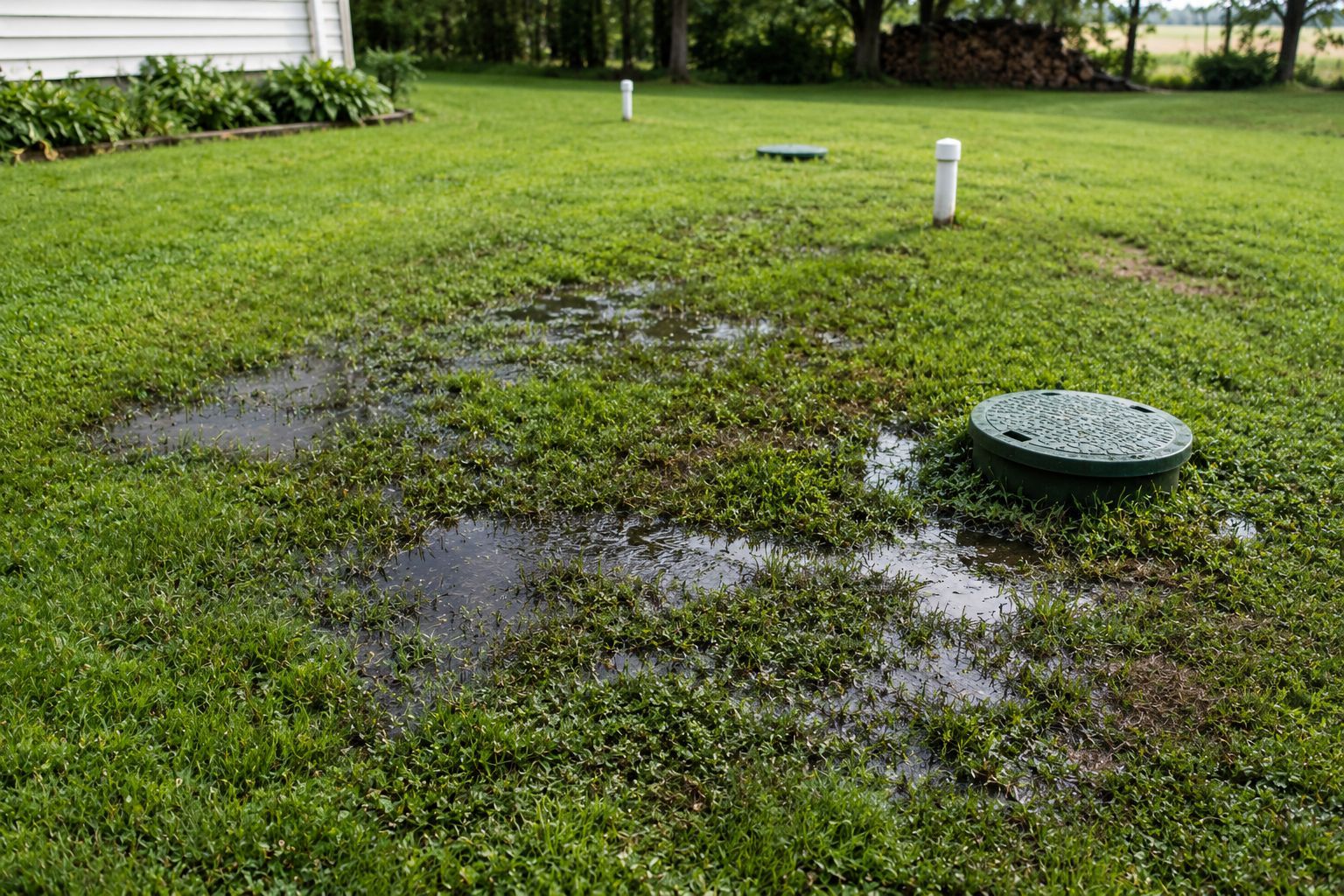
Standing water or unusually green, lush grass over the drain field is a clear sign the system is overwhelmed. In the heat of a Central Texas summer, when the rest of your lawn looks dry and stressed, a bright green patch over the drain field is not a compliment to your soil. It means effluent is surfacing instead of filtering properly through the ground.
Sewage odors inside the home, especially near floor drains or in the lowest level of the house, indicate gases are backing up through the system. This happens when the tank is too full to allow proper gas venting through the stack.
WARNING:
If raw sewage is backing up into your tubs or toilets, stop all water use in the home immediately. Do not run the dishwasher, washing machine, or any faucet until the tank has been pumped. Continued use pushes contaminated water into living spaces and can accelerate drain field failure within hours.
How Often Should You Pump
The standard recommendation is every 3 to 5 years for a typical household. That range depends on three variables: tank size, household size, and usage habits.
A 1,000-gallon tank serving a family of four fills up much faster than a 1,500-gallon tank serving two people. Households with a garbage disposal add significantly more solids than those without. Homes where guests stay frequently, where laundry runs daily, or where a home-based business adds occupancy will reach capacity faster than the baseline schedule suggests.
TIP:
Write the pump date and tank size on a piece of waterproof tape and stick it inside the lid of your electrical panel or inside a cabinet near your water heater. When you sell the home or hire a new plumber, that information saves a service call. If you bought a home and have no records, we can locate and inspect the tank during a service visit to give you a baseline.
What Happens During a Professional Pumping
A thorough septic pumping is more than just emptying the tank. On service calls we follow a consistent inspection protocol that catches problems before they become failures.
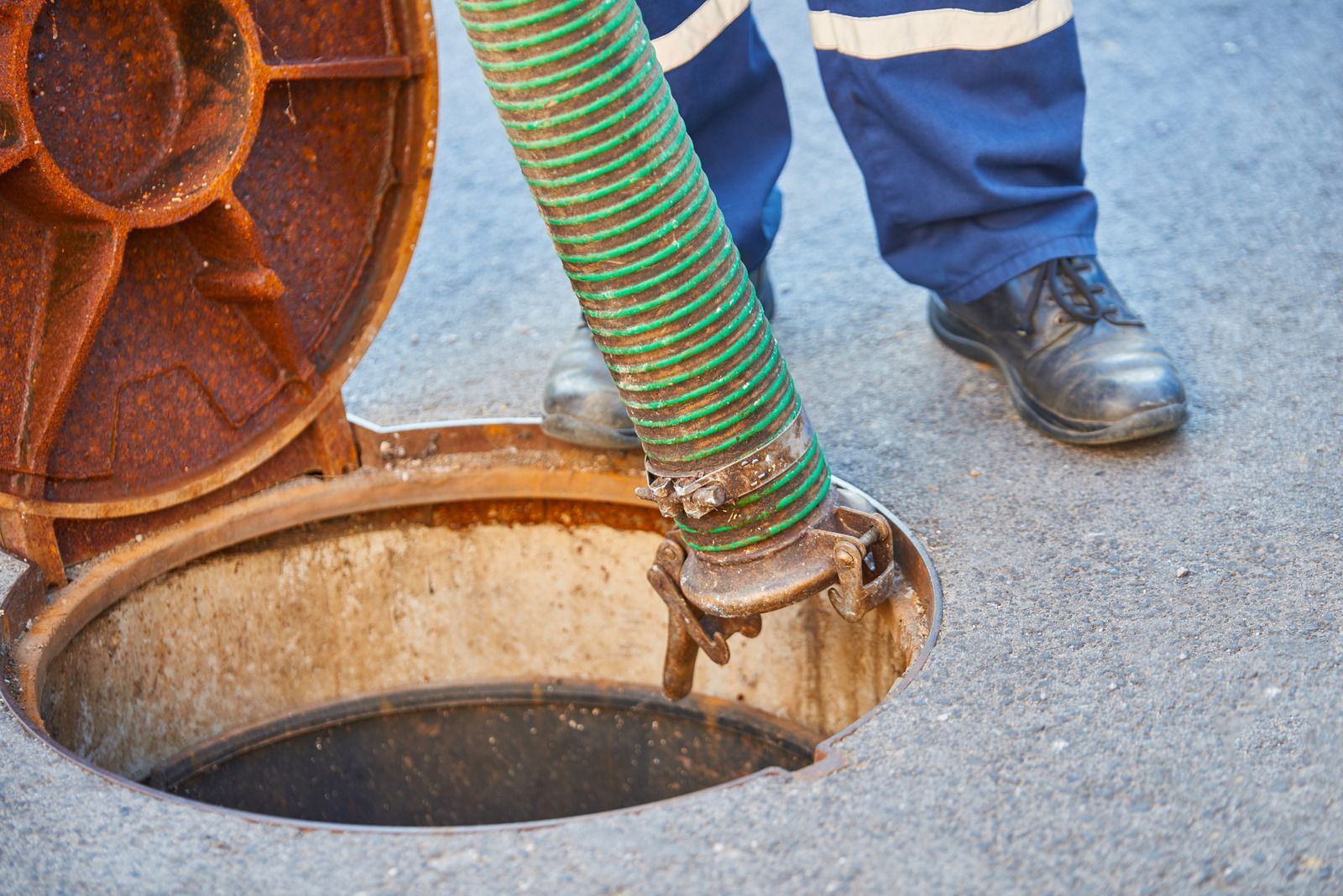
We locate and uncover the access lids, which on older Texas installations are often buried 6 to 18 inches below grade. Once open, we measure the sludge and scum layers before pumping to record accumulation rates since the last service. The tank is then vacuumed completely using a pump truck, and we backflush with water to break up any compacted solids near the bottom.
After pumping, we inspect the inlet and outlet baffles. These are plastic or concrete components that prevent scum from entering the drain field and keep solids from flowing backward toward the house. Cracked or missing baffles are one of the most common findings on service calls in the Round Rock area, particularly in homes built before 1995 when concrete baffles were standard and are now deteriorating.
We also check the effluent filter if one is installed, clear any blockage, and inspect the tank walls and lid seals for cracks. The entire process typically takes 45 minutes to 2 hours depending on access, tank size, and how long it has been since the last service.
Maintenance Practices That Extend System Life
Keeping your system healthy between pumping cycles comes down to managing what enters the tank and reducing hydraulic stress during periods of heavy use.
Space out large water loads. Running multiple laundry cycles in a single day sends far more water through the tank than it is designed to handle at once, reducing the settling time the system relies on for solid separation. Spreading laundry over two or three days significantly reduces this hydraulic surge.
During the spring storm season in Central Texas, when heavy rainfall can saturate soils within hours, reduce discretionary water use. Running irrigation, doing extra laundry, or filling pools during or immediately after heavy rain events adds hydraulic load at the exact moment the drain field has least capacity to handle it.
Keep vehicle and equipment traffic off the drain field at all times. Even a single pass by a riding mower or delivery vehicle over wet soil can compress the trench walls enough to reduce absorption by 15 to 25 percent. Mark the field boundaries with landscape flags or low edging so contractors and guests know where not to drive or park.
Frequently Asked Questions
How much does septic pumping cost in the Round Rock area?
Pumping a standard 1,000 to 1,500-gallon residential tank in Williamson County typically runs between 300 and 600 dollars, depending on access difficulty, tank depth, and lid location. Tanks buried beyond 18 inches, systems without risers, or those requiring jetting first fall toward the higher end.
Is it safe to be home during a septic pumping?
Yes, with one precaution: avoid using water-connected fixtures while pumping. Running a faucet or flushing while the truck vacuums can disrupt the process. Keep children and pets clear. Hydrogen sulfide gas dissipates quickly outdoors but is dangerous in enclosed spaces, so we handle the covers.
My yard smells like sewage but all the drains work fine. What does that mean?
Outdoor odors with functioning interior drains usually point to one of three issues: a near-full tank releasing gases through soil, a cracked lid venting improperly, or a saturated drain field surfacing effluent. In Central Texas this often follows dry spells broken by sudden heavy rain.
What should I avoid putting down the drain with a septic system?
The short list: wipes of any kind, feminine hygiene products, paper towels, grease, and coffee grounds. Less obvious items include water softener discharge, large amounts of antibacterial soap, latex paint, dental floss, and cotton swabs. None break down like toilet paper, shortening your pumping interval.
How do I know if my drain field is failing versus just needing a pumping?
The clearest distinction is timing. If symptoms appear shortly after pumping or before tank fills, suspect the drain field rather than the tank. Surface pooling that lingers 48 hours after rain, persistent odors despite recent pumping, and quickly returning slow drains all signal field stress.
Experienced Crews Who Understand Central Texas Septic Systems
Your pumping schedule is your first and most reliable line of defense against expensive septic failures. In Central Texas, where clay soils, seasonal flooding, and limestone shelf conditions already stress drain field performance, staying on a 3 to 5 year pumping cycle is not optional. It is the difference between routine maintenance and a repair project.
Superior Septic and Clean Can
has served residential customers across Round Rock, Texas, for 40
years. We locate, uncover, pump, and inspect tanks with the kind of attention that comes from working the same service area long enough to know its soil, its systems, and its seasonal patterns. Call us to schedule your inspection or pumping appointment.