
Why Regular Commercial Septic Pumping Prevents Costly Business Disruptions?
In the fast-paced world of business operations, there are few things more disruptive than unexpected issues with the septic system. While businesses typically prioritize customer service, product delivery, or employee satisfaction, the maintenance of essential infrastructure—such as a properly functioning septic system—is often overlooked. The truth is, neglecting regular septic pumping can lead to costly disruptions that can harm the reputation, operations, and bottom line of any business.
For commercial establishments, a well-maintained septic system is vital to ensuring that day-to-day activities run smoothly without interruptions. When septic systems are allowed to accumulate waste over time, they can experience blockages, overflows, or even system failure. These malfunctions are not only unpleasant but also result in expensive repairs, fines, and downtime. In this blog, we’ll explore how consistent septic maintenance prevents costly disruptions and why it should be an ongoing priority for all business owners.
The Importance of Regular Septic Pumping
Why Pumping Matters
Septic systems work by separating solid waste from liquids, which then undergoes a filtration process. Over time, solid waste accumulates in the septic tank and must be pumped out regularly to prevent it from overflowing or causing blockages. Without this routine, the waste can quickly overwhelm the tank, resulting in costly repairs and unnecessary disruptions.
Key Benefits of Regular Pumping
- Prevent Clogs and Blockages: Septic systems are vulnerable to clogs when waste builds up in the tank. Regular pumping ensures waste does not exceed the system’s capacity, reducing the likelihood of blockages or the need for emergency interventions, saving time and money.
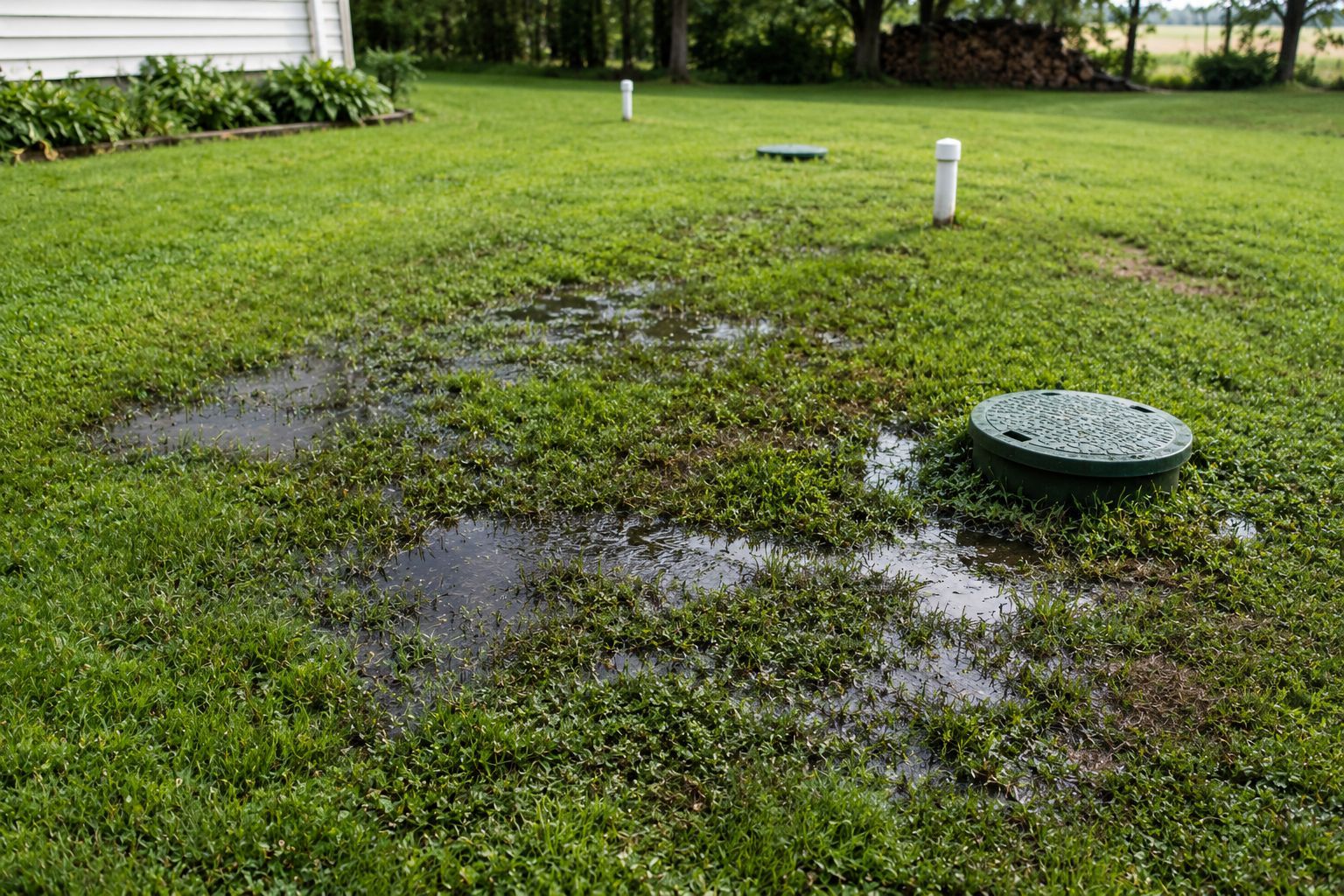
- Avoid System Overflows: Overflows can result in raw sewage backing up into the business premises, creating serious health hazards and expensive cleanup efforts. Not only does this pose a danger to employees and customers, but it also brings potential legal and regulatory repercussions.
- Ensure Long-Term System Health: Just like any other equipment or machinery, septic systems require regular maintenance to function at their best. By pumping out the solids at the right intervals, the system can operate efficiently for years, thus avoiding long-term damage or breakdowns.
Real-World Scenarios of Business Disruptions Due to Neglected Septic Systems
Health and Safety Hazards
Imagine a scenario where a restaurant’s septic system overflows in the middle of a busy dinner rush. Raw sewage spills into the kitchen, restrooms, and dining area, forcing the business to shut down for cleaning and repair. This not only leads to lost revenue but also damages the business’s reputation, which can take a long time to rebuild and recover from. Unsanitary conditions in public-facing areas could also result in potential lawsuits from customers and employees.
In offices or industrial spaces, untreated wastewater can pose significant health risks. Exposure to sewage waste can result in unpleasant odors, contamination of workspaces, and illness among employees, forcing them to stay home. These health issues can impact employee productivity and morale, leading to even more losses, in addition to legal implications depending on the nature of the exposure.
Unexpected Costs
Businesses often fail to budget for septic maintenance, which makes the unexpected costs of septic system failures even more disruptive and financially draining. Emergency repairs can cost thousands of dollars, not to mention the downtime required to fix the problem. For example, if a retail store experiences a septic failure, customers may be turned away due to unsanitary conditions, which directly affects sales and customer satisfaction. With some issues taking days to resolve, the extended closure can damage relationships with loyal customers, potentially driving them to competitors.
Legal and Environmental Consequences
Failing to maintain a septic system can lead to legal fines or environmental damage. Overflows or leaks can contaminate local water sources, and businesses may be fined for not adhering to environmental protection regulations. This not only adds financial strain but also jeopardizes the reputation and credibility of the business within the community. Furthermore, businesses might face lawsuits from individuals affected by water contamination, increasing the overall financial burden.
How Regular Septic Pumping Can Save Money
Reduced Repair Costs
Regular septic pumping can prevent expensive repairs. By ensuring that waste is removed at regular intervals, businesses can avoid system malfunctions that require costly repairs or even complete replacement. The cost of a septic pumping service is minimal compared to the cost of emergency repairs caused by negligence, which can include major system overhauls or fines from regulatory authorities. Investing in regular septic maintenance helps businesses stay ahead of potential issues, keeping unexpected repair costs at bay.
Preventing Lost Revenue
When a business is forced to close for a day or longer due to a septic system failure, the revenue loss can be staggering and may take months to recover. For example, a hotel may have to cancel reservations, and a restaurant may lose a full day of service or more, depending on the severity of the problem. Regular septic maintenance eliminates these risks by ensuring the system works smoothly, minimizing the chances of disruption. A small investment in pumping can protect the income from your most important business days, such as weekends or holidays.
Increased System Longevity
Just like other business assets, septic systems benefit from regular maintenance. A well-maintained system is likely to last longer, which delays the need for a costly replacement. Replacing a septic system can cost tens of thousands of dollars, so investing in regular pumping is a cost-effective solution that ensures long-term savings. Moreover, the system will perform at its best for a longer period, which contributes to reducing operational costs associated with repair work and potential revenue loss due to system failures.
Best Practices for Septic Pumping
Establish a Regular Pumping Schedule
To prevent septic issues, establish a regular pumping schedule based on your business’s needs. For smaller businesses, a pump every 1-2 years may suffice. Larger businesses with more extensive waste systems may need it more frequently. Work with a septic service provider to determine the best schedule for your specific situation. Consistent scheduling ensures the system continues to perform effectively and minimizes the risk of unforeseen disruptions due to neglect.
Proper Waste Disposal
In addition to regular pumping, businesses must be mindful of what is being disposed of in the septic system. Non-biodegradable materials, such as wipes, chemicals, and grease, can clog the system, leading to costly repairs and potentially hazardous backups. Educating employees on proper waste disposal can help reduce the strain on the system. Encouraging the use of composting or trash disposal for certain materials can extend the life of the septic system and minimize unnecessary wear and tear.
Hire Professional Septic Services
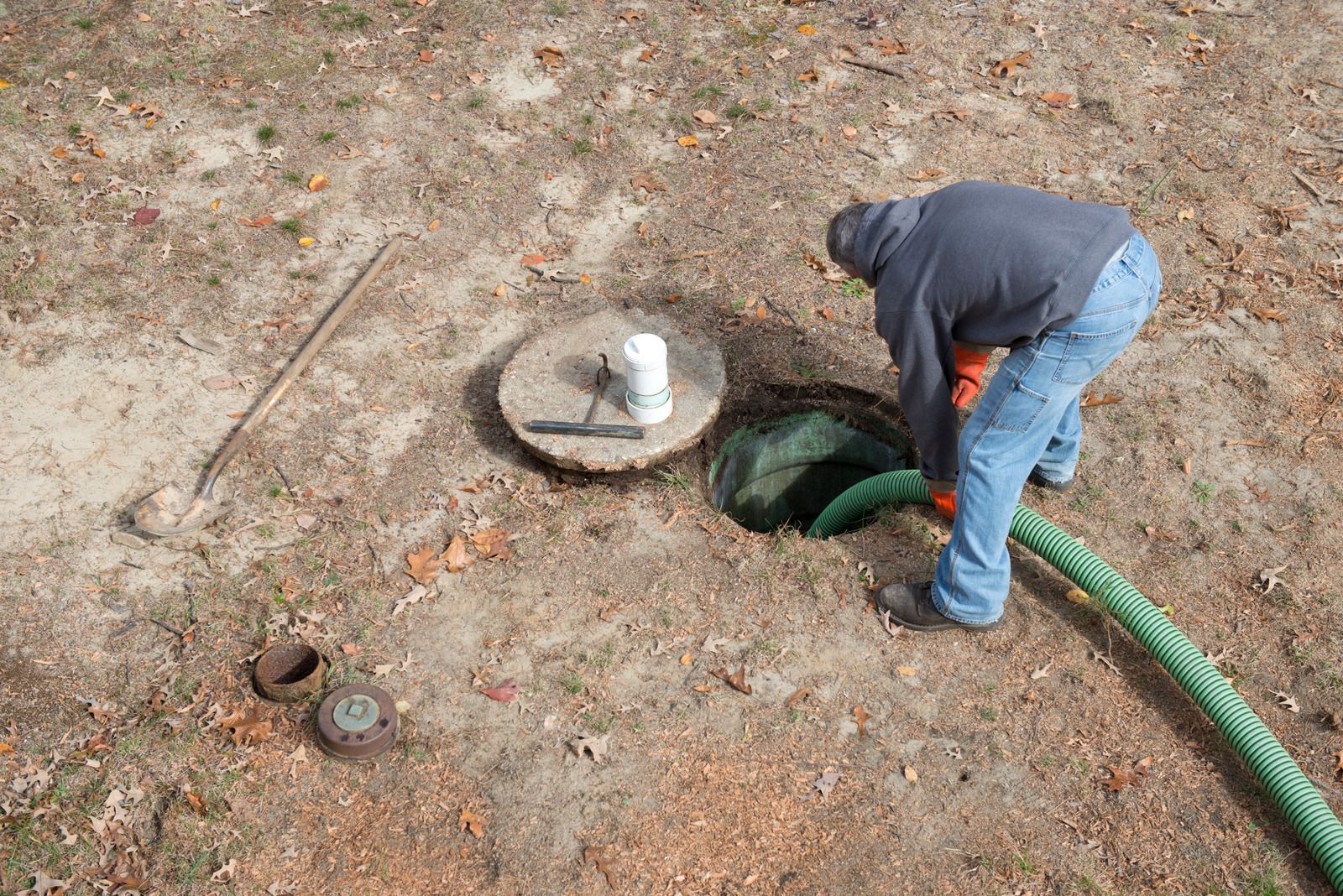
While some business owners may attempt to handle septic system maintenance themselves, it’s always best to hire professionals. A trained septic technician will ensure that the system is properly cleaned, and any potential issues are identified early. Professional inspections can help spot problems that may go unnoticed, saving businesses from future disruptions. Technicians also offer expert advice on best practices for maintaining the system, which can lead to long-term savings and better efficiency.
Addressing Common Misconceptions About Septic Pumping
“We Don’t Need to Pump the Septic System That Often”
One common misconception is that septic systems only need to be pumped every few years. However, many factors, such as the size of the system, usage volume, and type of waste being processed, affect the pumping schedule. In some cases, more frequent pumping is necessary to avoid problems, especially in businesses that generate large volumes of waste, such as restaurants or hotels. Regular pumping based on your system’s needs can prevent backups and ensure smooth operation.
“Septic Systems Are Low Maintenance”
While septic systems are designed to be low-maintenance, they still require attention to function properly. Regular pumping, along with mindful waste disposal, is necessary to keep the system in top shape. Ignoring these basic tasks can lead to costly and disruptive consequences. Investing in preventative maintenance can reduce the likelihood of sudden malfunctions or emergency repairs.
“Septics Only Need Attention in Rural Areas”
While it’s true that septic systems are often more common in rural areas, businesses in urban environments that rely on septic systems also need regular pumping. Commercial properties such as restaurants, hotels, and factories, which rely on septic systems, are vulnerable to the same issues as rural businesses. Regular maintenance is essential regardless of location. Urban businesses with older systems, in particular, may experience more frequent issues due to age or increased usage, making regular maintenance even more critical.
Choose Superior Septic for Reliable, Cost-Effective Service
Regular commercial septic pumping is a vital part of preventing business disruptions. From protecting employees' health to ensuring consistent revenue flow, a well-maintained septic system reduces the chances of unexpected failures that could lead to costly repairs, lost business, and damage to reputation. By scheduling regular pumping, ensuring proper waste disposal, and seeking professional assistance, businesses can extend the life of their septic systems and maintain operational efficiency.
At Superior Septic and Clean Can, we understand how crucial it is to maintain a fully functional septic system. With over 40
years of experience in septic services, we offer reliable, professional pumping, maintenance, and inspection services to businesses throughout Round Rock, Texas, and beyond. Our team is dedicated to providing top-tier customer service, ensuring that your septic system operates smoothly, and preventing disruptions that could negatively impact your business. Trust us to protect your business from the financial and operational consequences of a neglected septic system. Let us handle your septic needs so you can focus on what matters most—running a successful business.