
Step-by-Step Guide to Scheduling Expert Septic Tank Cleaning Services
Septic systems play a critical role in managing wastewater for residential and commercial properties, yet they are often overlooked until problems arise. Routine septic tank cleaning is not just a maintenance task; it is a preventive measure that protects property value, environmental safety, and public health. When systems are neglected, minor inefficiencies can escalate into costly repairs, system failures, and regulatory issues. Understanding how to properly schedule expert septic tank cleaning services ensures reliability, compliance, and long-term performance. Inconsistent maintenance can also disrupt daily operations, create sanitation concerns, and increase long-term operating expenses. Proactive service planning helps property owners maintain uninterrupted functionality while meeting evolving regulatory expectations. In today’s compliance-driven environment, timely septic maintenance is an essential operational responsibility rather than an optional service.
For property owners, facility managers, and business operators, navigating the process of scheduling professional septic services can feel overwhelming. Questions about timing, provider qualifications, system readiness, and service expectations often create delays that lead to avoidable risks. Without clear guidance, critical maintenance decisions may be postponed or mishandled. A structured, step-by-step approach removes uncertainty and enables informed decision-making across all property types. This guide outlines each stage of the scheduling process, from evaluating system needs to post-service follow-up. It also highlights best practices, potential challenges, and strategic considerations that improve outcomes. By following industry-backed insights, readers can confidently coordinate septic tank cleaning services that deliver efficiency, safety, and peace of mind while extending the lifespan of their systems.
Understanding When Septic Tank Cleaning Is Necessary
Key Indicators of Service Timing
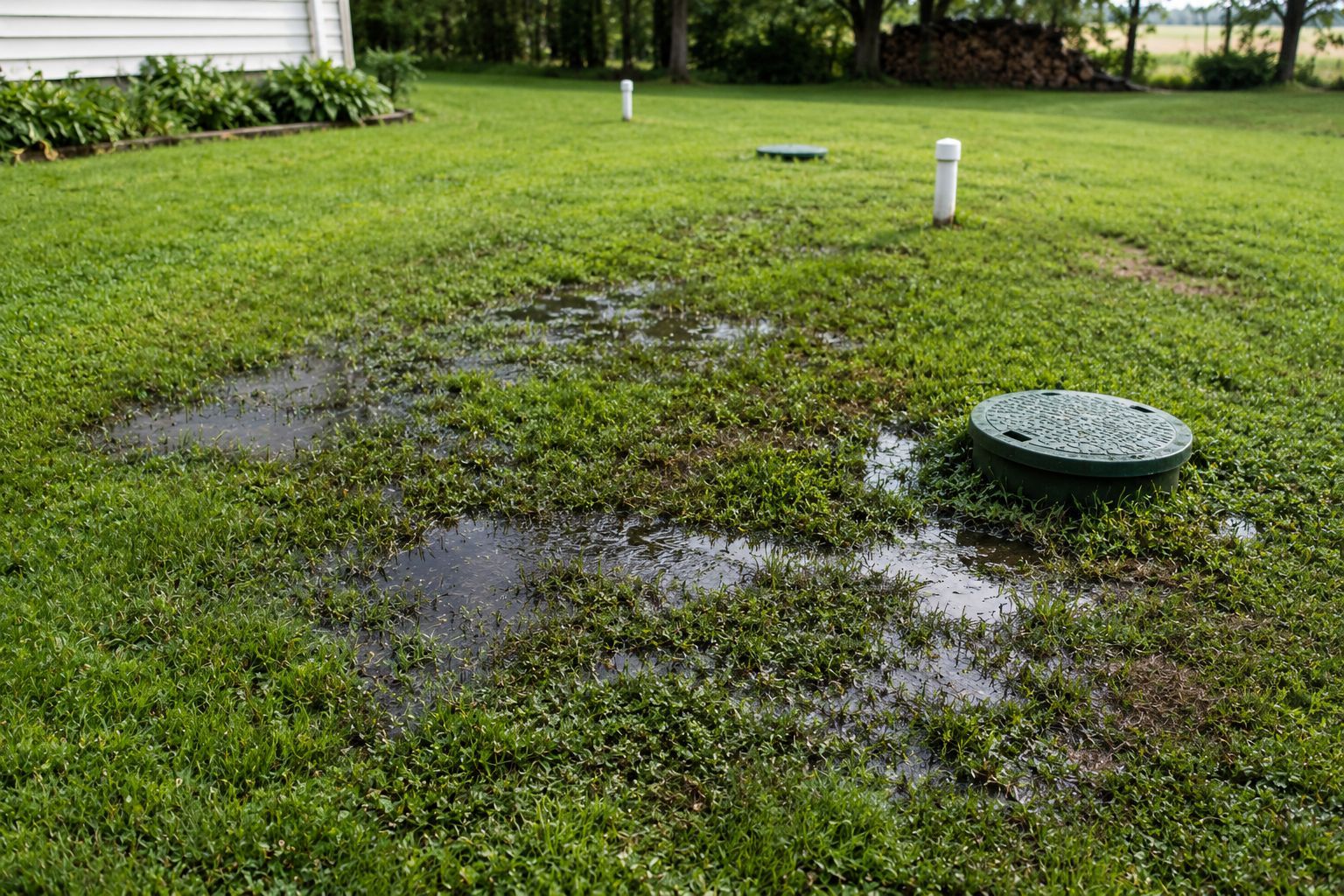
Recognizing the right time to schedule septic tank cleaning is the foundation of effective system management and long-term system reliability. Most septic systems require cleaning every three to five years, but actual timing depends on factors such as tank size, household or facility usage, and waste composition. Ignoring these variables can result in premature system overload and unnecessary operational strain. Common warning signs include slow-draining sinks, persistent odors near drain fields, sewage backups, and unusually lush vegetation around the tank area, all indicating internal imbalance.
Routine inspections provide a clearer picture of sludge and scum accumulation inside the tank over time. When solids occupy more than one-third of the tank’s capacity, professional cleaning becomes necessary to prevent system failure. Waiting beyond this threshold increases the risk of solids entering the drain field, causing irreversible damage and costly remediation. Scheduling cleaning based on measurable indicators, rather than guesswork, supports system longevity, operational efficiency, and reduces emergency service costs significantly.
Regulatory and Environmental Considerations
Local health departments and environmental agencies often mandate septic maintenance schedules, particularly for commercial or multi-unit properties with higher wastewater output. Failing to comply can result in fines, usage restrictions, or mandated corrective actions. Environmental responsibility is another critical factor influencing maintenance decisions. Untreated overflow can contaminate groundwater and nearby water bodies, creating long-term ecological harm. Proactive scheduling ensures compliance with regulations while protecting surrounding ecosystems and public health interests.
Preparing for the Scheduling Process
Gathering System Information
Before contacting service providers, property owners should compile essential septic system details for accurate service planning. This includes tank size, system age, last cleaning date, and system layout. Access to system records or permits accelerates the scheduling process and allows professionals to estimate service requirements accurately and efficiently. Clear documentation minimizes delays, reduces service uncertainty, and prevents costly miscommunication during scheduling discussions.
Knowing whether the system includes additional components such as grease traps or advanced treatment units is equally important during preparation. These features may require specialized equipment, experienced technicians, or extended service time. Preparation at this stage demonstrates diligence, supports efficient coordination, and ensures the service provider arrives fully equipped for the job.
Assessing Property Access and Logistics
Accessibility plays a major role in service scheduling and overall operational efficiency. Technicians need unobstructed access to the tank lid and surrounding area for safe pumping operations. Landscaping, fencing, or surface structures may need temporary adjustments before service begins. Identifying these logistical challenges in advance prevents rescheduling, service delays, and additional fees that could otherwise be avoided.
Weather conditions should also be considered when selecting service dates and timeframes. Heavy rainfall can saturate soil and complicate pumping operations, increasing safety risks. Coordinating service during suitable weather windows enhances technician safety, service effectiveness, and overall job accuracy.
Choosing Qualified Septic Tank Cleaning Professionals
Verifying Credentials and Experience
Selecting the right service provider is a critical decision that directly impacts system health and regulatory compliance. Qualified professionals should hold appropriate licensing, insurance, and certifications required by local authorities and governing bodies. These credentials confirm compliance with safety and environmental standards. Experience is equally important, as seasoned providers can identify potential issues beyond basic cleaning and offer informed recommendations.
Reputable companies follow established procedures for waste disposal, ensuring pumped materials are transported to approved treatment facilities. This protects property owners from liability, environmental violations, and legal exposure. Verifying these practices is a key step in responsible scheduling and long-term system protection.
Evaluating Reputation and Service Scope
Customer reviews, referrals, and industry affiliations provide insight into service quality and professional consistency. Consistent feedback regarding punctuality, transparency, and professionalism indicates reliability and operational integrity. Additionally, understanding the scope of services offered helps align expectations before scheduling. Some providers include inspections and maintenance recommendations as part of the cleaning process, adding long-term value beyond pumping alone.
Scheduling the Service Effectively
Coordinating Availability and Timelines
Once a provider is selected, aligning schedules becomes the next priority in the planning process. Early booking is recommended, particularly during peak seasons when demand increases significantly. Providing flexible date options improves availability and reduces wait times for service completion. Clear communication regarding property usage patterns allows technicians to plan appropriately and allocate sufficient time.
Emergency services may be available for urgent situations, but routine scheduling remains more cost-effective and predictable. Establishing a maintenance calendar helps prevent last-minute requests, operational disruptions, and supports consistent system care throughout the year.
Confirming Service Details and Costs
Before finalizing the appointment, confirm service details in writing to ensure clarity and accountability. This includes the scope of work, estimated duration, pricing structure, and any additional fees that may apply. Transparent agreements prevent misunderstandings and ensure both parties share aligned expectations. Asking about post-service documentation, such as service reports, supports recordkeeping, compliance, and future maintenance planning.
Preparing the Property for Service Day
Ensuring Safety and Accessibility
On the scheduled day, property readiness ensures smooth operations and efficient service execution. Clearing access paths, securing pets, and notifying occupants about temporary water usage restrictions are essential steps. Limiting water use during service prevents system disruption and improves cleaning efficiency for technicians.
Marking the tank location, if not already visible, saves time and reduces unnecessary property disturbance. Cooperation during service demonstrates professionalism, minimizes delays, and supports accurate service outcomes.
Understanding the Cleaning Process
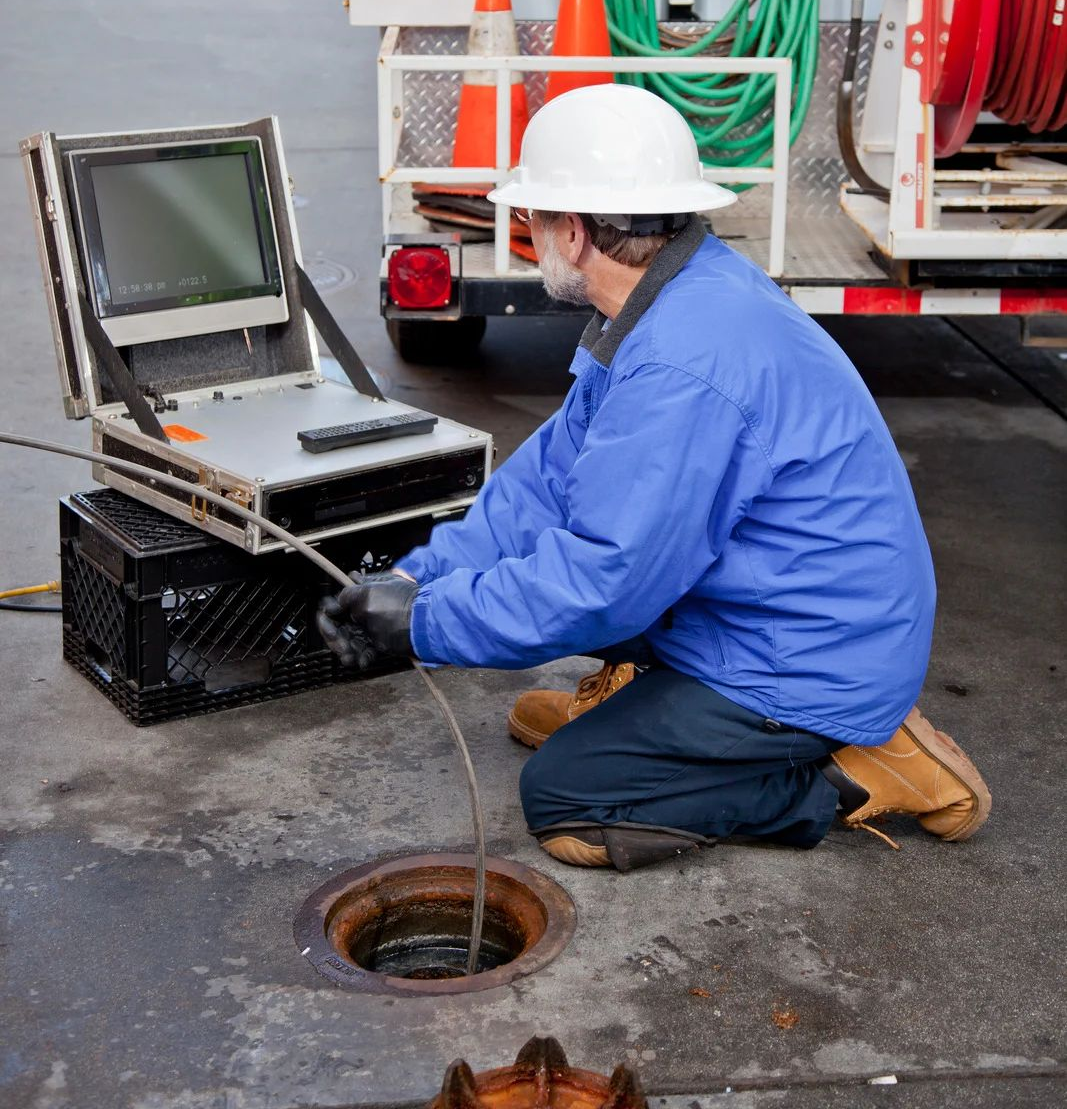
Professional septic tank cleaning involves pumping accumulated sludge and scum, followed by a visual inspection of internal components. Technicians may assess baffles, inlet and outlet pipes, and tank integrity during this process. Understanding this procedure helps property owners appreciate the value of the service and recognize potential maintenance needs early.
Post-Service Review and Ongoing Maintenance Planning
Reviewing Findings and Recommendations
After service completion, reviewing the technician’s findings is a critical step in responsible system management. Professionals may identify early signs of wear, structural issues, or drain field concerns requiring attention. Addressing these recommendations promptly prevents escalation, system failure, and extends overall system lifespan.
Service reports should be retained for compliance, documentation, and future reference. Documented maintenance history supports property transactions, regulatory inspections, and informed planning decisions.
Establishing a Preventive Maintenance Schedule
Septic tank cleaning should be part of a broader maintenance strategy focused on prevention. Setting reminders for inspections, monitoring usage patterns, and avoiding harmful substances in drains contribute to system efficiency. Educating occupants about proper waste disposal reinforces long-term performance and system stability.
Consistent scheduling transforms septic maintenance from a reactive task into a predictable, manageable process. This approach reduces costs, minimizes disruptions, and safeguards property infrastructure over time.
Professional Septic Services Guided by Proven Expertise
Scheduling expert septic tank cleaning services is a structured process that demands planning, informed decision-making, and professional coordination. By understanding system needs, preparing accurate information, selecting qualified providers, and confirming service details, property owners can avoid costly emergencies and ensure consistent system performance. Effective scheduling also supports regulatory compliance, environmental protection, and operational reliability. Post-service reviews and preventive maintenance planning further enhance long-term outcomes, turning routine cleaning into a strategic investment rather than a reactive expense. When approached systematically, septic maintenance becomes a predictable operational safeguard that protects infrastructure, budgets, and long-term property usability.
For those seeking dependable expertise, Superior Septic and Clean Can
stands as a trusted authority in septic tank cleaning and maintenance. Based in Round Rock, Texas, the company brings 40
years of hands-on experience to every project. Their deep industry knowledge, commitment to compliance, and customer-focused approach reflect best practices outlined throughout this guide. By combining proven methods with modern service standards, they deliver consistent, high-quality results. With decades of proven reliability, Superior Septic and Clean Can
exemplifies the professionalism and expertise required to manage septic systems safely, efficiently, and with long-term confidence.