
5 Problems That Can Be Prevented By Professional Septic Pumping
Every home that relies on a septic system must take proper care of it to ensure smooth operation and avoid costly trouble later. Many people ignore their septic tanks for years, only to face messy overflows, slow drains, or foul smells that could have been easily avoided. When too much solid waste fills the tank, the system loses its ability to function as it should.
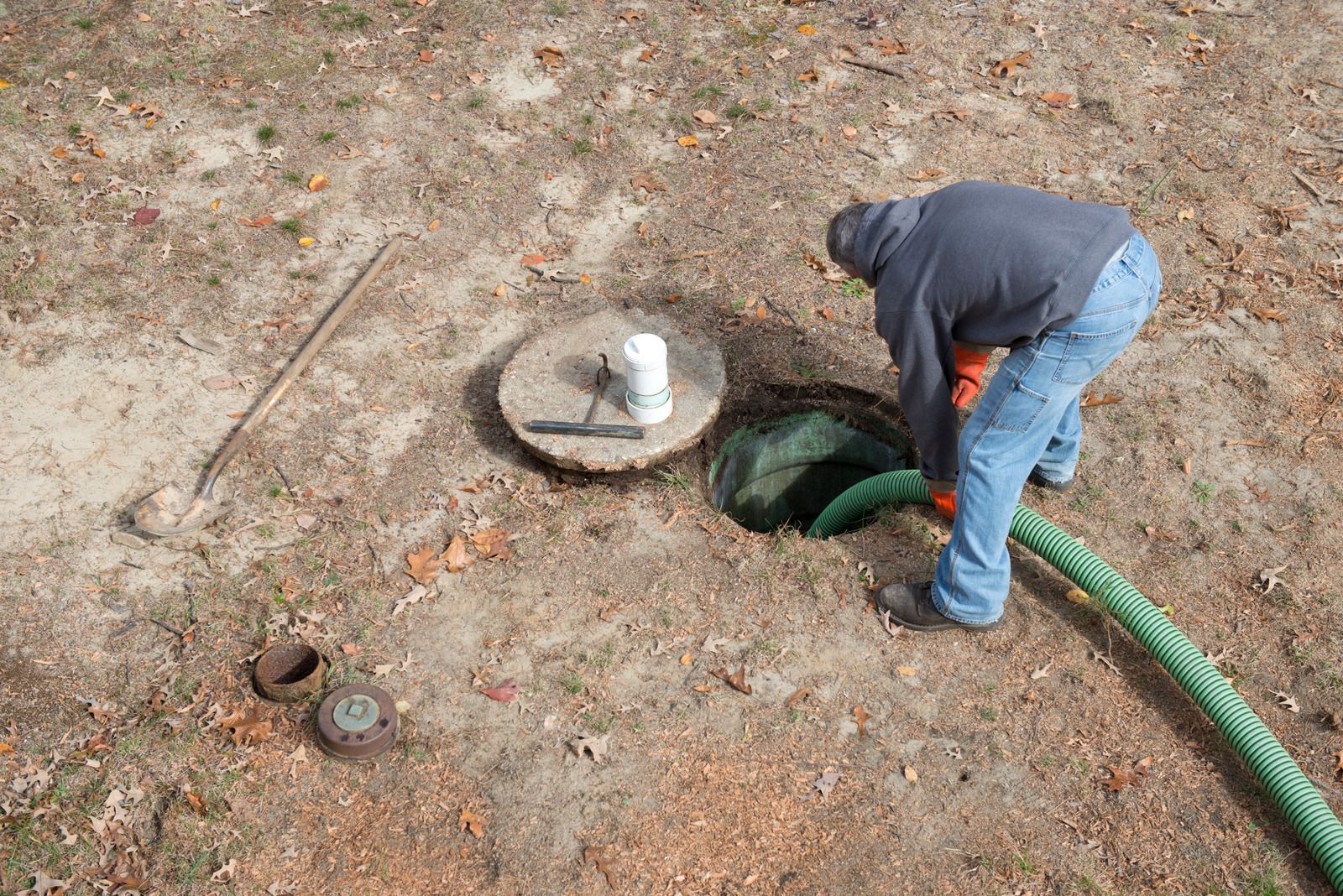
Regular pumping removes the built-up waste before it causes problems. It helps protect your home, yard, and wallet. With routine service from professionals, your septic system can keep working without any major disruptions or damage.
1. Household Wastewater Backup
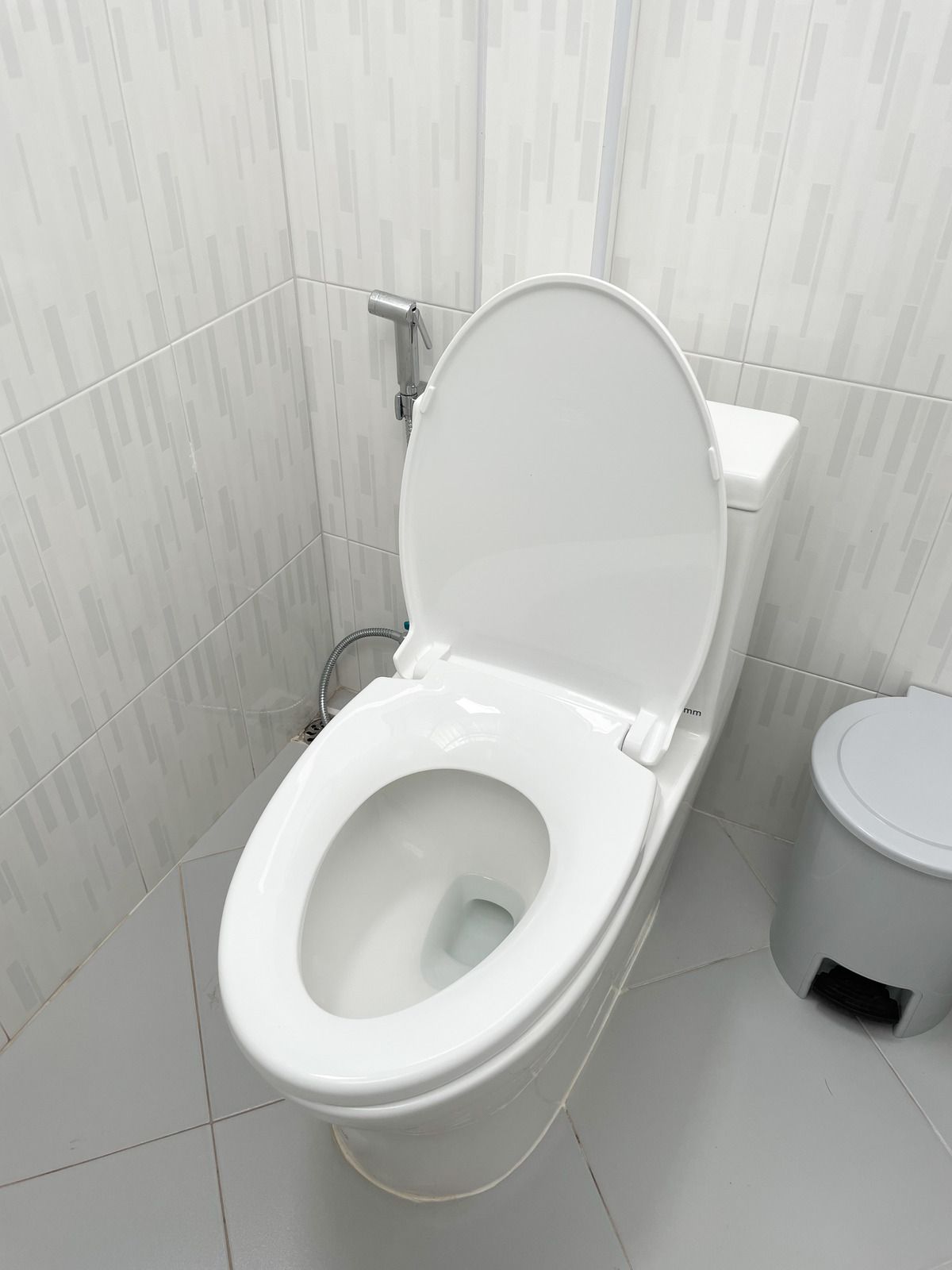
A full septic tank cannot hold any more wastewater, and when this happens, the waste often flows back into the house through sinks, toilets, or tubs, creating unsanitary and unpleasant conditions. The backup not only causes damage to flooring and walls but also exposes your family to harmful bacteria and bad smells. Regular septic pumping removes this risk by clearing out built-up solids and giving the system enough space to manage your household’s daily waste needs effectively.
2. Unpleasant Odors Around the Yard
A strong odor around the septic area is often the first warning sign of a tank that needs to be emptied. As solid waste sits for too long, gases rise and escape into the yard, spreading a smell that many compare to rotten eggs. This odor can linger for days and make outdoor time less enjoyable. Timely pumping eliminates the waste and stops these gases from forming, keeping your yard fresh and free from unwanted smells.
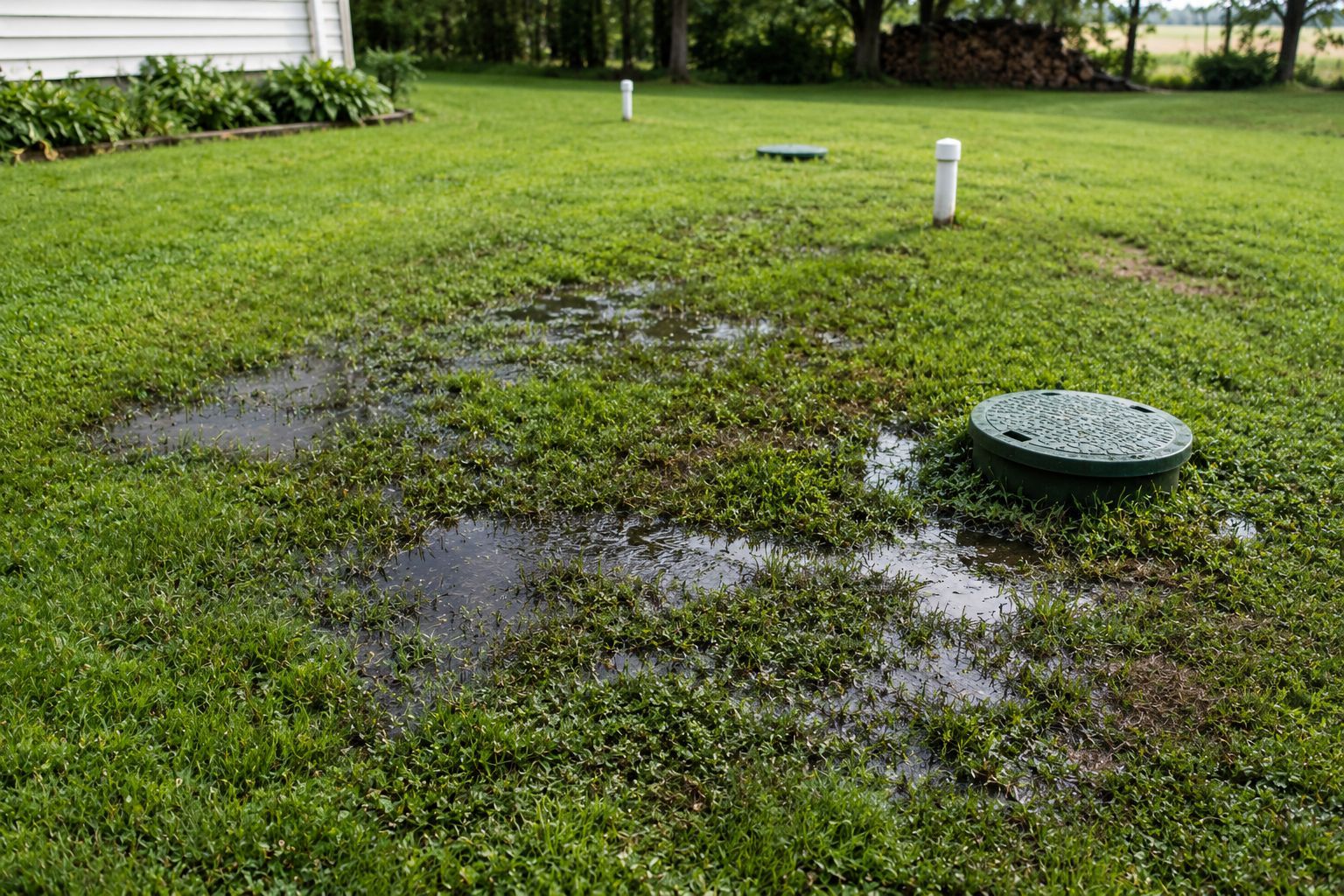
3. Standing Water on the Lawn
When the septic tank reaches full capacity, it can no longer send water safely into the drain field. Instead, the liquid rises to the surface and collects in the yard. Pools of standing water in these areas are unsafe and can damage the grass, attract insects, or pose risks to children and pets. By keeping the tank pumped on schedule, the drain field works correctly, and water stays below ground, out of sight and out of reach.
4. Sluggish Drainage Throughout the Home
Drains that empty slowly, toilets that struggle to flush, and gurgling sounds from the pipes are signs that the septic tank may be too full. When solid waste builds up inside, it blocks the normal flow of water from your home to the tank. You might think the issue lies in the pipes, but the true cause often hides underground. Pumping clears out the blockage and restores fast, smooth drainage in every part of the house.
5. Costly Repairs and Complete System Failure
Neglect can lead to cracks in the tank, broken pipes, or even total collapse of the entire system, forcing homeowners to pay thousands of dollars for replacements or repairs. These issues often happen after years without maintenance. Routine pumping prevents damage by reducing pressure on all parts of the system and helps extend the life of your septic setup for many more years.
Superior Septic and Clean Can
Can offers
reliable septic tank pumping services across Round Rock, Texas, and the nearby areas, helping homeowners avoid backups, smells, and costly repairs through simple and timely maintenance that keeps systems working exactly as they should.